The gallbladder is gone, but the biological demand for digestion remains. For thousands across India who have recently undergone laparoscopic gallbladder surgery, the removal of this organ is not just a surgical milestone—it is a complete metabolic reset. If the dietary transition is ignored, the body will rebel.
Here is the brutal truth:
Your body has depleted its bile reservoir. Ignoring your diet after gallbladder removal isn’t just a mistake; it is an invitation to lifelong gastric distress that could tether you to a bathroom for years.
Without a gallbladder, the liver no longer has a bile storage tank. Instead, bile drips continuously into the small intestine. When a person consumes a heavy, oily Indian meal, there is no concentrated “burst” of bile to break down those fats.
The result?
Undigested fat hits the colon, leading to explosive urgency, cramping, and a lifetime of looking for the nearest exit. No matter where in India you are from, the rules of diet, after gallbladder removal, are absolute.
For those from the cultural capital of India, seeking specialised guidance, Dr Ashutosh Nayak is an expert in laparoscopic gallbladder surgery in Kolkata.
Let’s explore the post-surgery diet after gallbladder removal, including what to eat for a smoother recovery and which foods to avoid during healing.
Post-Cholecystectomy Digestion: Why Management Is Essential
Post-cholecystectomy diet management is essential because the liver now continuously drips bile into the small intestine rather than releasing a concentrated burst during meals.
In the absence of a reservoir, the continuous trickle of bile is sufficient for light meals but fails miserably against the onslaught of deep-fried snacks or heavy gravies. If the system is overloaded, the undigested fats cause “steatorrhea”—foul-smelling, oily stools. This isn’t just a minor inconvenience; it is a sign of chronic malabsorption.
Failure to manage the post-cholecystectomy diet can lead to permanent damage to the intestinal lining and long-term nutritional deficiencies.
The stakes are high. If you fail to adapt, you risk “dumping syndrome” or post-cholecystectomy syndrome symptoms and diet complications. You’ve already suffered through the agonising pain of gallstones; don’t let a poor plate choice lead to a second life of suffering.
Under the expert guidance of Dr Ashutosh Nayak, a specialist in Laparoscopic gallbladder surgery in Kolkata, patients are taught that surgery is only half the battle. The real victory happens in your kitchen.
Smart Food Choices After Gallbladder Surgery
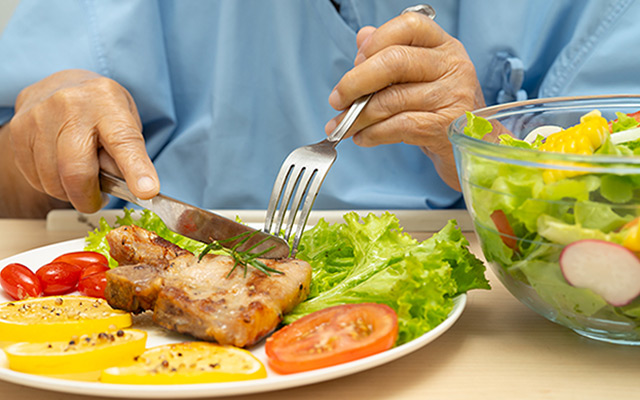
In the early stage (the first 2–4 weeks), the goal of a gallbladder surgery diet/ cholecystectomy diet is to reintroduce nutrients without overwhelming the digestive tract.
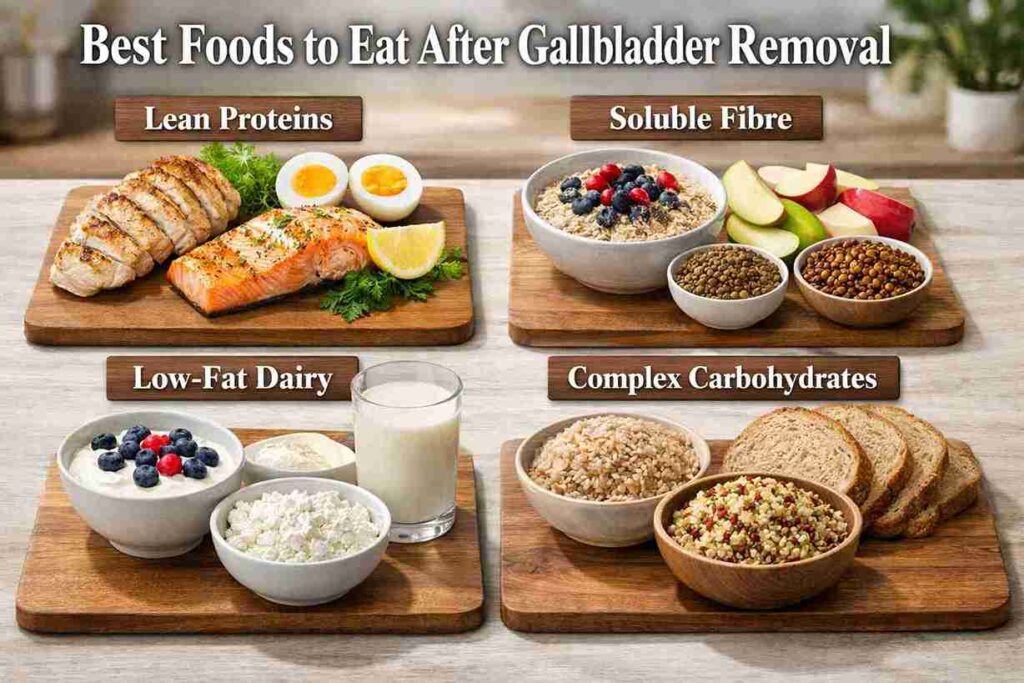
You must focus on lean proteins, complex carbohydrates, and soluble fibres.
The Recovery Plate: Essential Inclusions
- Lean Proteins: Skinless chicken breast, egg whites, and grilled white fish (like Rohu or Bhetki). Avoid red meats like mutton or pork, which contain hidden saturated fats.
- Soluble Fibre: This is the ultimate “bile binder.” Using a bile acid diarrhoea diet (soluble fibre/psyllium) helps solidify stool and reduces the laxative effect of excess bile acids. Foods like oats, barley, and peeled fruits help bind bile acids.
- Low-Fat Dairy: If you crave curd, ensure it is skimmed. If you are from or in Kolkata, traditional Bengali Mishti Doi is currently off-limits due to its high fat and sugar content.
- Complex Carbohydrates: Oats, brown rice, and whole-wheat rotis (without ghee). These provide energy without triggering a massive increase in bile requirements.
The Power of Small, Frequent Meals
Adopting small, frequent meals after gallbladder removal (5–6 times a day) ensures the constant drip of bile from the liver has work to do without being overwhelmed by a massive food bolus.
| Category | Eat This (Safe) | Avoid This (Danger) |
| Proteins | Moong Dal, Boiled Chicken, Egg Whites | Mutton Curry, Fried Prawns, Beef |
| Grains | Poha, Dalia, Steamed Rice | Luchi, Paratha, Bhatura |
| Vegetables | Lauki (Bottle Gourd), Boiled Potato, Papaya | Cabbage, Cauliflower (causes gas) |
| Fats | Minimal Olive Oil / Mustard Oil | Ghee, Butter, Dalda |
Foods That May Trigger Discomfort After Gallbladder Surgery
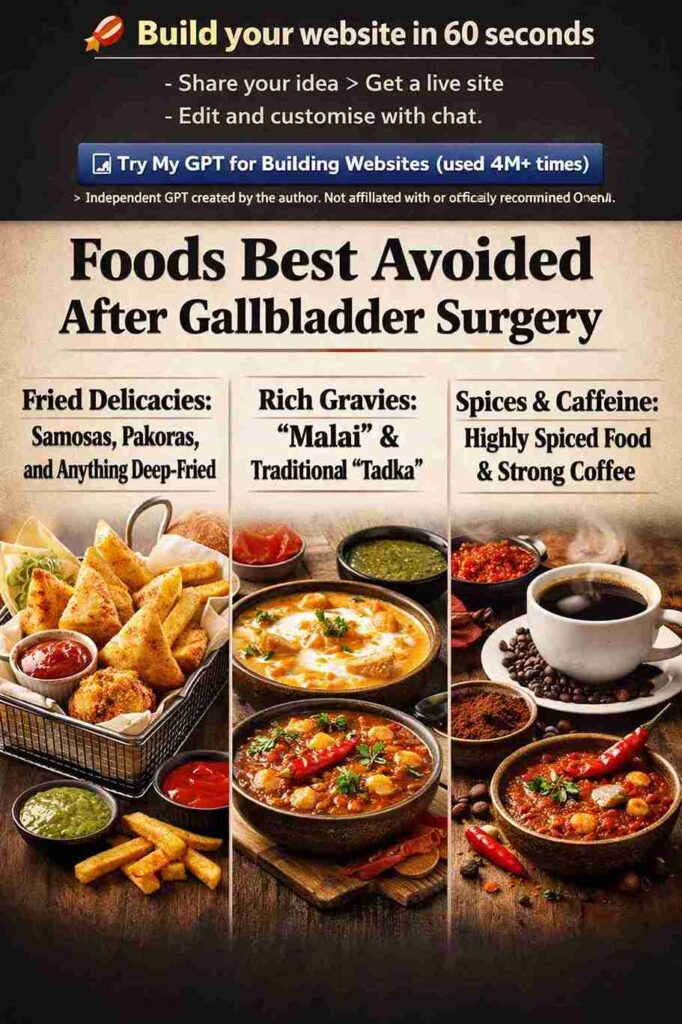
The primary foods to avoid after gallbladder removal are high-fat, greasy, and ultra-processed items.
High-fat intake triggers diarrhoea after gallbladder removal because the undigested fat travels to the colon, drawing in water and causing “steatorrhea” (fatty stools).
The High-Risk Triggers
- Fried Delicacies: Samosas, Pakoras, and anything deep-fried are strictly forbidden. The amount of fat in a single fried snack can overwhelm the liver’s capacity for 12 hours.
- Rich Gravies: Cream-based or cashew-based “Malai” gravies are high-fat traps. Even traditional “tadka” with excessive oil can trigger diarrhoea after gallbladder removal.
- Spices and Caffeine: Highly spiced food and strong coffee act as bowel stimulants. In a post-op gut, these can cause rapid transit times and severe bloating and gas after gallbladder removal.
Transitioning away from these cultural staples is painful, but the alternative is a body that betrays you every time you step out of the house.
Dr Ashutosh Nayak, known for his precision in laparoscopic gallbladder surgery in Kolkata, emphasises that a low-fat diet after gallbladder surgery is not a suggestion—it is a medical necessity for the first three months.
He insists that “one cheat meal” in the first month is enough to set back healing by weeks.
Managing Digestive Complications After Surgery: What Truly Matters
Managing complications requires a strategic approach to fibre and hydration. Many patients suffer from bile acid diarrhoea, which occurs when excess bile irritates the colon.
The Gut Stabilisation Protocol
- Fibre Loading: Slowly transition to high-fibre foods, but keep them cooked. Raw salads can be too aggressive initially.
- Hydration Mastery: Drink water 30 minutes before or after a meal, never during. Diluting digestive enzymes with water during a meal hinders fat breakdown.
- Bile Acid Binding: If urgency persists, a bile acid diarrhoea diet (soluble fibre/psyllium) using Isabgol is the gold standard for natural management.
If you ignore these signs, you are flirting with chronic inflammation. Furthermore, if symptoms like jaundice, fever, or persistent pain occur, it is a medical emergency.
Consulting Dr Ashutosh Nayak, a leading name in Laparoscopic gallbladder surgery in Kolkata, warns that neglect leads to “Bile Reflux,” a condition far more painful than the surgery itself.
Wrapping Up: Your Path to a Pain-Free Life: Adapt or Live in Pain
Surgery is often chosen to leave pain behind and return to a better quality of life. The way you eat afterwards plays an important role in protecting that progress. While rich, oily, and heavily spiced foods are deeply rooted in India’s food culture, your body now needs a gentler, more balanced approach to digestion.
Returning immediately to heavy, fried meals may lead to bloating, cramping, or digestive discomfort. Instead, gradual dietary adjustments help your liver and intestines adapt smoothly.
A consultation with Dr Ashutosh Nayak, an expert in laparoscopic gallbladder surgery in Kolkata, can help you fix your diet.
Book a session today.
People Also Ask
What foods should I avoid after gallbladder removal?
Avoid fried foods, fatty meats, spicy dishes, processed snacks, full-fat dairy, and heavy gravies that can trigger bloating or diarrhoea.
What foods are good to eat after gallbladder removal?
Choose soft, low-fat meals like boiled vegetables, lean proteins, oats, rice, soups, fruits, and fibre-rich foods to support smoother digestion.
Can I eat curd after gallbladder surgery?
Yes, low-fat curd or yoghurt is usually safe after surgery. It supports gut bacteria balance and helps digestion when introduced gradually.
Which fruit is best after gallbladder surgery?
Bananas, apples, papaya, and pears are gentle on digestion. Choose non-acidic, fibre-rich fruits initially to prevent bloating or discomfort.