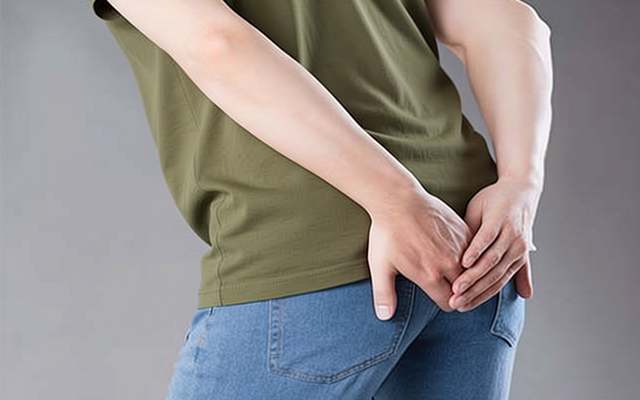

A hernia rarely announces itself loudly. It whispers first. A small bulge. A dull ache after work. A heaviness you brush off as fatigue. In a city where long commutes, lifting, coughing, and delayed care are common, those whispers often turn into emergencies.
Hernias do not heal on their own. Time does not make them safer. Delay only raises the stakes.
If you are searching for Laparoscopic hernia surgery in kolkata, this is the moment your body is asking you to listen.
Today’s blog of the day is on hernia symptoms that you must not ignore, and when to seek an expert’s help.
Let’s dive in.
Understanding Hernia: Why Early Attention Matters More Than You Think
A hernia occurs when an internal organ or tissue pushes through a weak spot in the muscle or connective tissue. Without treatment, it can worsen and lead to bowel obstruction or tissue death.
Hernia Isn’t Just a Lump. Here’s Why You Should Take It Seriously
A hernia is not just a bulge. It is a structural failure. Muscles do not magically close again. Over weeks or months, pressure increases, organs push further, and complications become irreversible.
In real life, this means missed workdays, mounting pain, and emergency surgery instead of planned recovery.
Early Hernia Symptoms Most People Ignore
Early hernia symptoms include a visible bulge, discomfort while standing, coughing, or lifting, and a dragging or heavy sensation that worsens by evening.
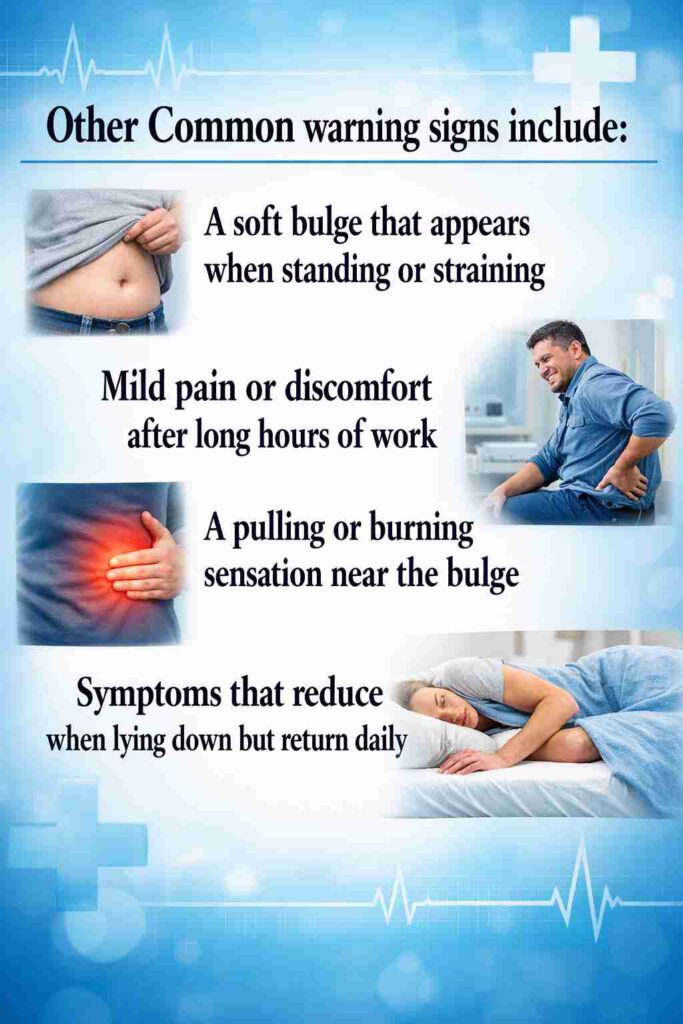
Other classic hernia symptoms that people often dismiss are listed below.
- A noticeable soft swelling that becomes visible while standing or during physical strain
- Mild aching or discomfort, especially after extended periods of activity or work
- A dragging, pulling, or burning feeling around the area of the swelling
- Symptoms that ease when lying down but tend to reappear on a daily basis
This is the stage where laparoscopic hernia surgery in kolkata by Dr Ashutosh Nayak offers the safest outcomes. Miss it, and the story changes.
Recognising Inguinal Hernia Symptoms in Men and Women Early
Inguinal hernia symptoms include a groin bulge, pain while walking or bending, and discomfort extending to the scrotum in men.
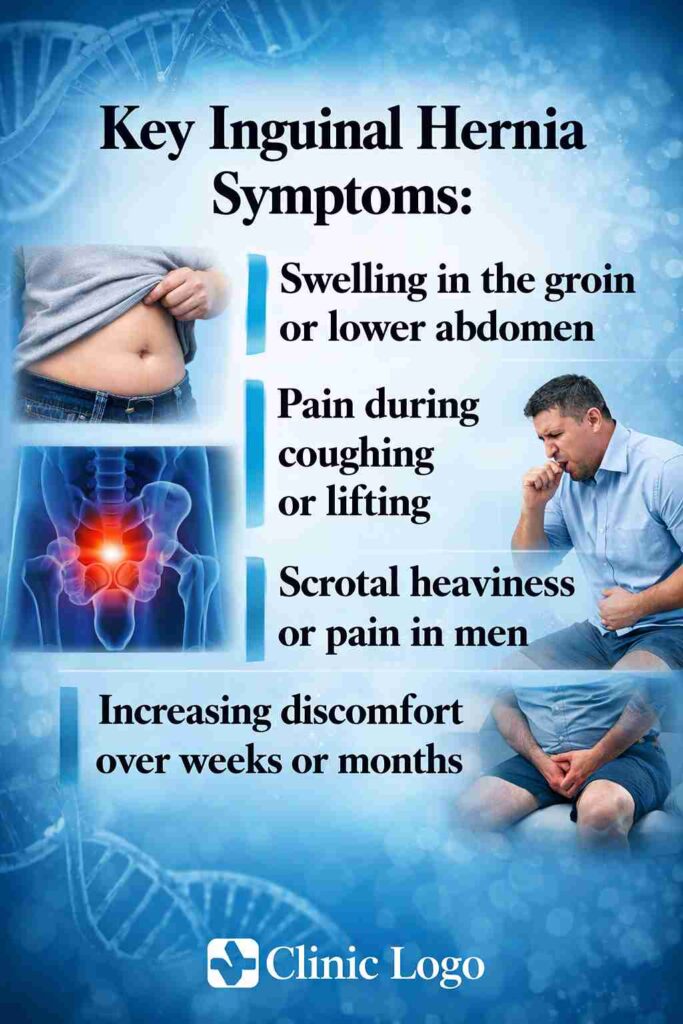
Inguinal hernia symptoms to watch out for:
- Noticeable swelling in the groin or lower abdominal area
- Pain or discomfort triggered by coughing or lifting
- A feeling of heaviness or aching in the scrotum (in men)
- Gradually worsening discomfort over several weeks or months
Men in physically demanding jobs across Kolkata often delay care until walking itself becomes painful. By then, a simple repair becomes complex.
Umbilical Hernia Symptoms in Adults and Why They Are Risky
Umbilical hernia symptoms in adults include swelling around the navel, postprandial pain, and gradual enlargement over time.
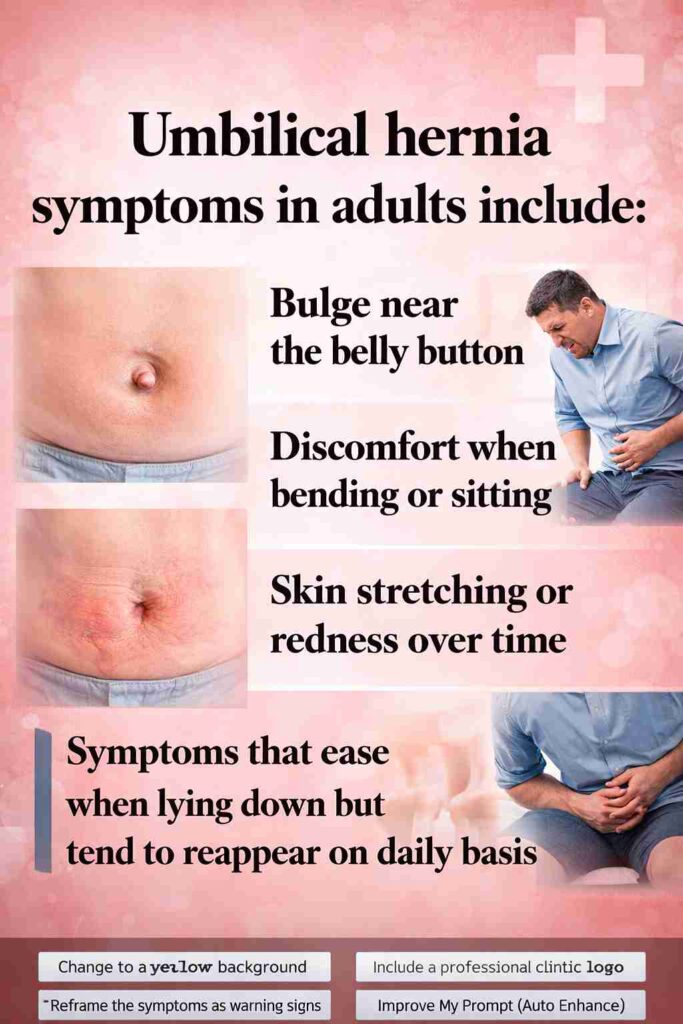
Umbilical hernia symptoms in adults to watch out for:
- A visible or noticeable bulge near the belly button
- Discomfort or pressure while bending, lifting, or sitting
- Gradual skin stretching, irritation, or redness over the affected area
Adult umbilical hernias do not close spontaneously. Delay increases the risk of bowel trapping and infection.
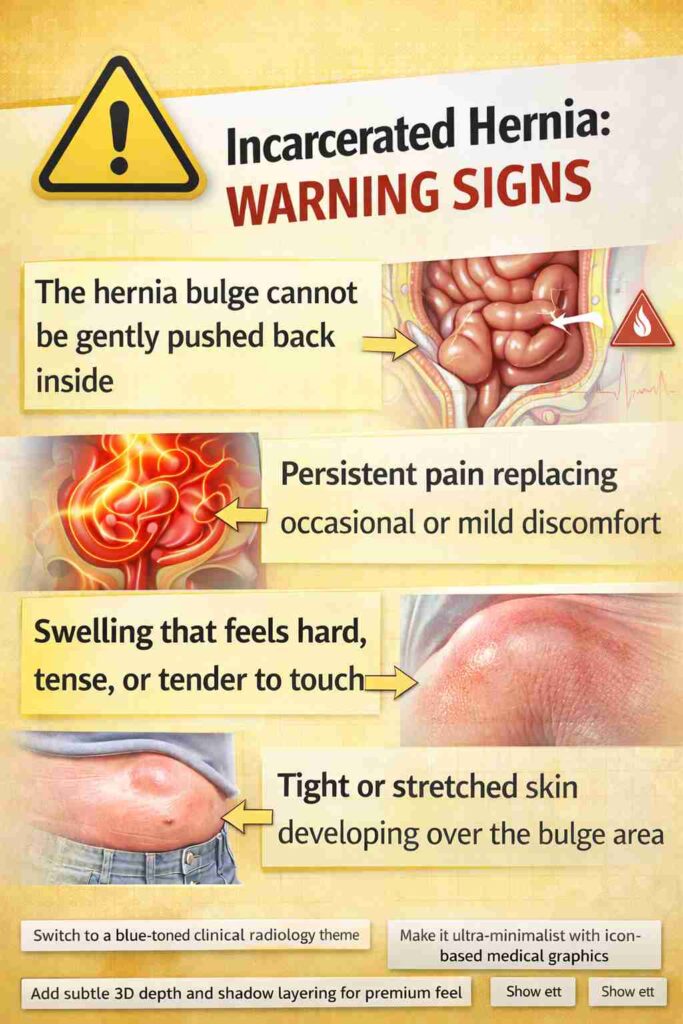
Incarcerated Hernia: Warning Signs You Should Never Ignore
Incarcerated hernia symptoms occur when the hernia cannot be pushed back in and becomes stuck, increasing the risk of strangulation.
Red flags of incarceration:
- A bulge that cannot be gently pushed back into the abdomen
- Continuous or worsening pain instead of occasional discomfort
- Firm, tense, or tender swelling on touch
- Tight, stretched, or increasingly sensitive skin over the affected area
At this stage, waiting days or weeks is gambling with your intestine.
Emergency Symptoms of a Strangulated Hernia
Strangulated hernia symptoms include severe pain, redness, fever, and signs of reduced blood supply to trapped tissue.
Emergency signs you must never ignore:
- Sudden worsening pain
- Red or darkened skin over the hernia
- Nausea, vomiting, and a hernia
- Fever and rapid heartbeat
Strangulation means tissue death has started. Surgery is no longer optional.
Hernia Pain and Bowel Obstruction: What to Watch For
Hernia bowel obstruction symptoms include abdominal bloating, severe pain, inability to pass gas, and constipation.
Warning signs of obstruction:
- Hernia bowel obstruction symptoms (cannot pass gas or constipation)
- Abdominal distension
- Persistent vomiting
- Absolute inability to eat
This is why patients often delay seeking treatment for hernia pain and deciding when to see a doctor. The answer is always earlier than you think.
Hernia Treatment: How Long Can You Wait
Most hernias worsen over weeks to months. Delaying treatment increases the risk of incarceration, strangulation, and bowel obstruction, while reducing eligibility for minimally invasive laparoscopic repair.
Early-stage hernias allow planned surgery, controlled recovery, and faster return to normal life. Delay shifts control from you to the complication.
Risks of Postponing Treatment
| Timeframe | What Happens Inside the Body | Clinical Consequence |
| Early weeks | The muscle defect enlarges gradually | Symptoms remain mild but progress |
| 1–3 months | Hernia contents descend further | Pain increases, bulge becomes persistent |
| 3–6 months | Risk of incarceration rises | Hernia may not reduce back |
| Advanced delay | Blood supply compromised | Strangulation, bowel obstruction, emergency surgery |
This is why surgeons stress timing. Time is not neutral in hernia disease. Time damages tissue, narrows surgical options, and turns routine repair into crisis management.
If the hernia has lasted for weeks, worsened over months, or begun to limit daily activity, waiting is no longer safe.
Laparoscopic Hernia Surgery: The Modern Standard of Care
Laparoscopic hernia surgery offers smaller incisions, a faster recovery, and a reduced risk of recurrence when performed early.
Benefits include:
- Less postoperative pain
- Faster return to work
- Minimal scarring
- Lower infection risk
Patients seeking Laparoscopic hernia surgery in kolkata often do so after months of suffering that could have been avoided.
Consulting the Right Surgeon for Hernia Care in Kolkata
A specialised hernia surgeon ensures accurate diagnosis, timing, and technique selection.
If you are searching for a hernia surgery doctor in Kolkata, experience, precision and early judgment matter.
Dr Ashutosh Nayak is recognised for advanced laparoscopic hernia surgery in kolkata, combining clinical accuracy with minimally invasive expertise. Patients under Dr Ashutosh Nayak receive timely intervention before emergencies dictate outcomes.
Choosing the right hernia treatment in Kolkata is not about fear. It is about foresight.
Delay Hernia Surgery, Risk Serious Complications
Delayed hernia repair increases pain, the risk of emergency surgery, and the risk of long-term complications.
Consequences of delay:
- Emergency admission
- Higher surgical risk
- Longer recovery
- Permanent bowel damage
The body keeps score. Ignored hernias collect interest.
Final Verdict: Recognise the Moment to Act
If you have noticed a bulge, pain, or discomfort that has lasted weeks or worsened over months, your window for simple repair is closing. Laparoscopic hernia surgery in kolkata is safest when chosen early, not when forced by crisis.
In the city of joy, Dr Ashutosh Nayak treats hernias before they steal your health, mobility, and peace of mind.
Book a consultation today.
People Also Ask
How do I know if my hernia is strangulated?
Severe constant pain, redness, swelling, fever, nausea, vomiting, and an irreducible bulge may indicate strangulation. Blood supply becomes compromised, making immediate emergency surgical evaluation essential.
Can a hernia go away on its own?
Hernias do not heal naturally because muscle defects remain open. Symptoms may fluctuate temporarily, but untreated hernias usually enlarge over time and eventually require surgical repair.
Is it dangerous if my hernia can’t be pushed back in?
Yes. An irreducible hernia may become incarcerated, trapping bowel tissue. This increases risks of obstruction or strangulation and requires urgent medical assessment to prevent complications.
What does hernia pain feel like?
Hernia pain often feels like a pulling, burning, or pressure sensation that worsens with coughing, lifting, or prolonged standing. Sudden sharp pain signals possible complications.
Can a hernia cause vomiting or constipation?
Yes. Hernias can obstruct bowel movements when the intestine becomes trapped, leading to nausea, vomiting, constipation, abdominal swelling, and severe discomfort. These symptoms require prompt medical attention.
When should I go to the ER for a hernia?
Visit the emergency room immediately if severe pain develops, vomiting occurs, fever appears, skin turns red or dark, or the bulge becomes hard and irreducible.
How is a hernia diagnosed?
Doctors diagnose hernias through physical examination while standing or coughing. Ultrasound, CT scan, or MRI may be advised when symptoms are unclear or complications are suspected.
What is the recovery like after hernia surgery?
Most patients resume light activity within days after laparoscopic surgery. Mild discomfort is expected initially, while complete recovery and unrestricted lifting usually take several weeks.