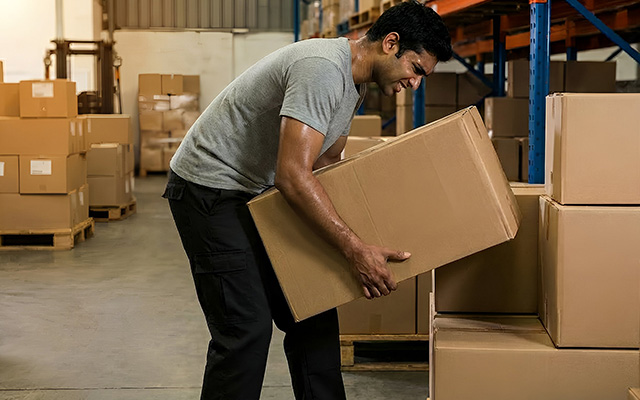
The winter chill in Salt Lake brings a welcome break from the heat and the excitement of festive shopping sprees. But with the season, we see people lifting more—whether it’s carrying heavy bags in crowded markets, hauling water cans up narrow lanes, or climbing multiple flights of stairs with groceries.
As the body becomes slightly sluggish from the surrounding chill, even routine tasks can strain the lower abdomen and groin. You may not even realise it, but the pressure from lifting might trigger hidden hernia symptoms, such as mild discomfort or swelling, which you might dismiss as temporary.
While this might sound concerning, there’s no need to panic. Laparoscopic hernia surgery in Salt Lake offers a simple, effective solution with minimal downtime, helping you get back to your daily routine quickly.
Hernia – A “Lump”, That Doctors Also Refer To As The “Ballooning” Effect
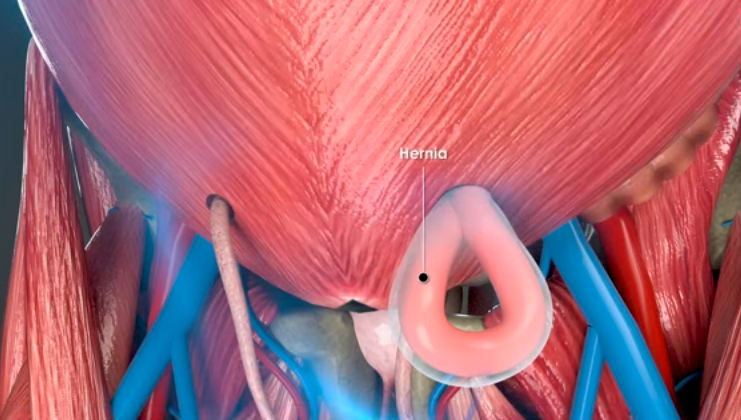
Think of your abdominal wall as a strong fabric that holds your internal organs, like a bag. Lifting heavy items can put pressure on weak spots, causing organs or tissues to protrude. This “ballooning” effect is what doctors call a hernia.
Symptoms of a Hernia
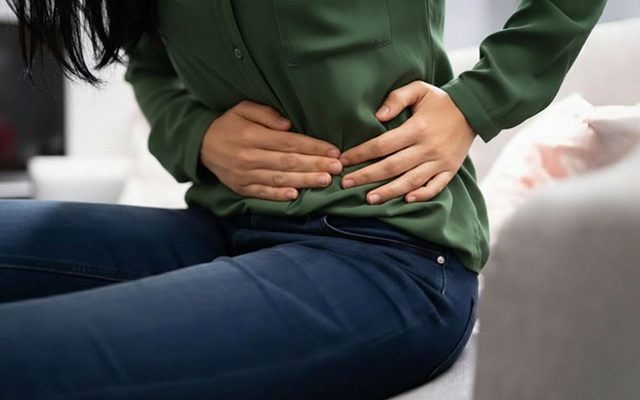
A hernia often starts with a subtle bulge or discomfort, and the symptoms can worsen with time if left untreated.
Here are some common signs that indicate you might have a hernia:
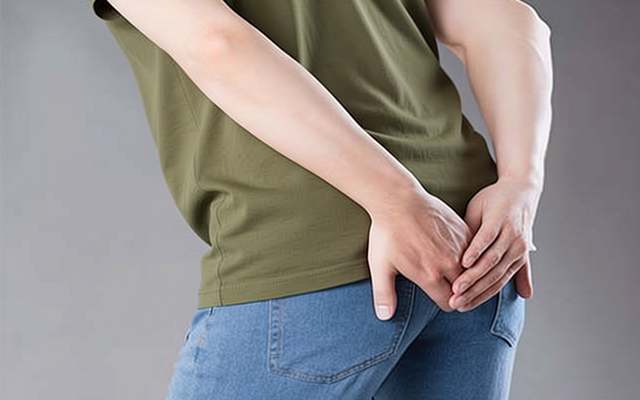
- Bulge in the abdomen or groin area: Often noticeable while lifting or straining.
- Pain or discomfort: Particularly after physical activities, like lifting water cans or heavy bags.
- Burning sensation or feeling of heaviness: In the affected area, especially in the lower abdomen.
- Swelling: The bulge becomes more prominent when standing or coughing.
- Increased pain in humid Salt Lake weather: The increased moisture and heat can exacerbate symptoms, making the hernia feel more painful.
- Difficulty bending or squatting: Certain movements can intensify the pain.
Causes of Hernias
A hernia occurs when an internal organ or tissue pushes through a weak spot in the surrounding muscle or connective tissue. In Salt Lake’s bustling lifestyle, certain habits and conditions can increase the risk of developing a hernia.
- Heavy lifting: Carrying large bags, groceries, or water cans can put excess pressure on the abdominal wall, especially when repeated.
- Poor posture: Bending incorrectly while lifting groceries or water cans can strain your muscles and increase the risk of hernias.
- Chronic coughing: Salt Lake’s pollution can lead to respiratory issues, causing persistent coughing that can weaken abdominal muscles.
- Obesity: Excess body weight can place undue pressure on the abdominal area, increasing the risk of hernias.
- Genetic factors: Some people may have a naturally weak abdominal wall, making them more susceptible to hernias.
If you’re experiencing any of the symptoms mentioned above, consult with Dr Ashutosh Nayak at a clinic near you.
Diagnosis: How Doctors Check for a Hernia
| Diagnostic Method | Description & Purpose |
| Physical Examination | The doctor visually inspects and physically examines the groin or abdominal area. You’ll be asked to cough or strain to make any internal bulge or swelling (the hernia) more noticeable and easier to detect. |
| Medical History | The doctor asks about your symptoms (e.g., pain, discomfort, visible lump), your lifestyle (e.g., job activities), and any recent activities such as heavy lifting or strenuous bending that might have precipitated or worsened the hernia. |
| Imaging Tests (Used in some cases) | If the hernia isn’t clearly visible during the physical exam or if the doctor suspects complications (such as tissue being trapped), tests like an Ultrasound or a CT Scan may be ordered to provide a clear internal view of the area. |
Laparoscopic hernia surgeons/doctors in Salt Lake, such as Dr Ashutosh Nayak, use the latest diagnostic tools and a hands-on approach to accurately diagnose and plan for hernia surgery.
Treatment Options for Hernias
Treatment for hernias depends on their size, type, and severity. Here are your options:
1. Lifestyle Changes
- Weight management: Maintaining a healthy weight reduces the pressure on your abdomen, which can help prevent a hernia from worsening.
- Avoiding heavy lifting: If you already have a hernia, it’s essential to avoid lifting heavy items until surgery can be arranged.
- Posture correction: Correcting your posture while lifting can help reduce the risk of further strain on your abdominal wall.
2. Medications
- Pain relief: Over-the-counter medications can help manage mild pain and discomfort. However, this is only a temporary solution and does not address the hernia itself.
3. Surgical Options
- Laparoscopic hernia surgery: This minimally invasive procedure involves small incisions, reducing recovery time and scarring. It’s ideal for treating both inguinal and ventral hernias.
- Open hernia surgery: If laparoscopic surgery is not an option, open surgery can be performed, which requires a larger incision and a longer recovery time.
Why Laparoscopic Surgery?
Laparoscopic hernia surgery in Salt Lake, particularly by Dr Ashutosh Nayak, is preferred for its numerous advantages over traditional open surgery. These include faster recovery, reduced pain, and minimal scarring, making it a popular choice for many patients in Salt Lake.
Local Lifestyle Tips for Managing Hernia Symptoms in Salt Lake
Living in Salt Lake comes with unique environmental factors that can affect your hernia symptoms. Here are some Salt Lake-specific tips to help manage your condition:
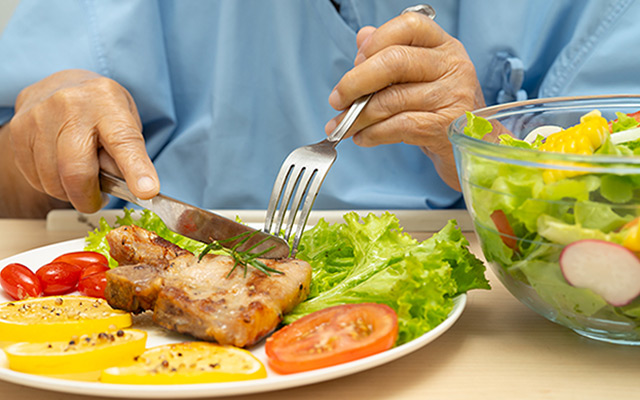
- Avoid spicy, oily foods: Heavy meals common in Salt Lake diets can lead to bloating and abdominal pressure, exacerbating hernia pain.
- Be mindful of air pollution: The city’s high pollution levels can contribute to respiratory issues, leading to chronic coughing, which can strain the abdominal wall.
- Use proper lifting techniques: When carrying groceries or water cans, bend your knees and use your legs, not your back, to avoid straining your abdominal muscles.
When to See a Doctor
If you notice a bulge or experience pain when lifting, it’s important to see a doctor. Other signs that should prompt a visit include:
- The pain becomes more severe over time.
- The bulge becomes tender or painful to the touch.
- Difficulty performing daily activities, such as lifting groceries or standing for long periods.
Remember, early intervention is key to preventing complications from a hernia.
Myths vs Facts
| Myth (❌) | Fact (✅) |
| Hernias will heal on their own without treatment. | Hernias do not heal on their own and usually need surgery. |
| Hernia surgery is always painful with a long recovery. | Laparoscopic hernia surgery in Salt Lake is minimally invasive with a quick recovery. |
| Only men get hernias. | Both men and women can get hernias, especially with heavy lifting or obesity. |
| Hernias are caused only by heavy lifting. | Hernias can also be caused by coughing, obesity, or genetics. |
| Surgery is dangerous for older patients. | Laparoscopic surgery is safe for most patients, including the elderly. |
Costs of Hernia Surgery in Salt Lake
Hernia surgery costs can vary depending on factors such as the type of surgery, the hospital, and the doctor performing the procedure.
However, laparoscopic hernia surgery costs in Salt Lake can vary; it is advisable to consult the clinic for a more accurate estimate.
Remember, Dr Ashutosh Nayak offers safe, advanced, minimally invasive laparoscopic hernia surgery in Salt Lake, with fully cashless billing at all associated hospitals.
Call 084207 97171 and consult today for expert care and advice on managing your hernia.
People Also Ask
How can I prevent a hernia when lifting heavy groceries in Salt Lake?
Proper lifting techniques, such as bending your knees and using your legs, can help prevent strain on your abdominal muscles and reduce the risk of hernias.
Is laparoscopic hernia surgery safe for seniors in Salt Lake?
Yes, laparoscopic surgery is safe for most seniors, as it is minimally invasive, reduces recovery time, and minimises pain.
What are the early symptoms of a hernia that require surgery?
Bulging in the abdomen or groin, pain while lifting, and swelling are common early signs. Minimally invasive laparoscopic hernia surgery is usually needed when the hernia causes pain or a risk of complications.