
A frequent ailment known as a hernia occurs when internal organs or tissues push through a weak point in the surrounding connective tissue or muscle. Hernias may begin as a painless bulge, but if treatment is not received, they may develop into pain, blockage, or strangulation. Because of this, surgery is frequently necessary. Laparoscopic hernia surgery is one of the most popular and cutting-edge techniques available today.
The basics of laparoscopic hernia surgery are covered in this article, including what it is, its benefits, how it operates, who is eligible, and what to anticipate during the healing process.
What Is Laparoscopic Hernia Surgery?
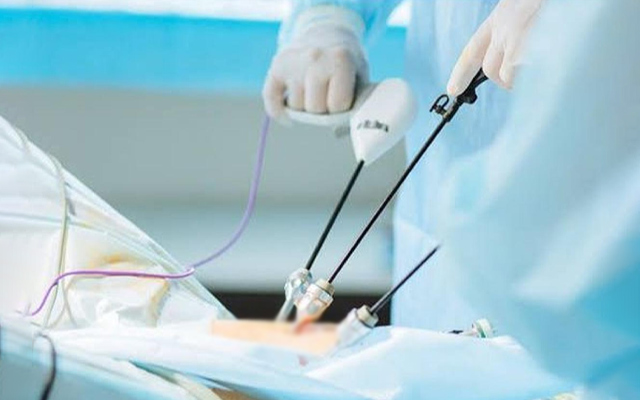
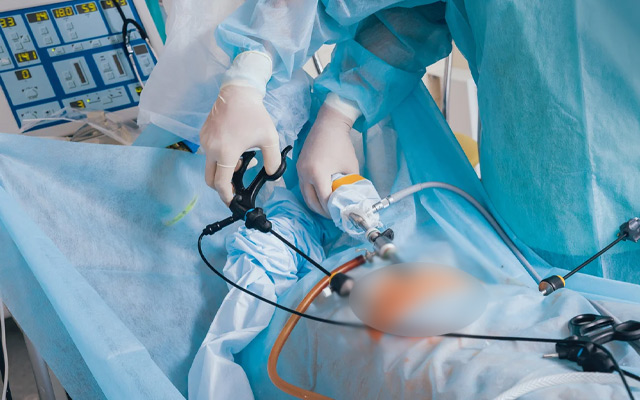
Using tiny incisions, a camera (laparoscope), and specialized tools, surgeons can repair hernias with laparoscopic hernia surgery, a minimally invasive procedure. This method provides a quicker, more comfortable healing process than open surgery, which entails a wider incision and a lengthier recovery period.
A high-resolution, enlarged view of the interior organs is possible with the laparoscope. This makes it easier for the surgeon to locate the hernia sac, gently realign the tissue that is protruding, and use surgical mesh to strengthen the weak spot. By serving as a support framework, this mesh stops herniation at the same location in the future.
Types of Hernias Treated
Laparoscopic surgery can effectively repair a range of hernia types, including:
- Inguinal Hernias: Occurs in the groin area.
- Femoral Hernias: Below the inguinal ligament, more common in women.
- Umbilical Hernias: Near the belly button.
- Incisional Hernias: At the site of a previous surgical incision.
- Hiatal Hernias: When the stomach pushes through the diaphragm into the chest cavity.
Laparoscopic repair is not appropriate for many hernias, particularly in situations that are very large or complex. Nonetheless, this method works well for the majority of simple hernias.
Advantages of Laparoscopic Hernia Surgery
Beyond aesthetic benefits, laparoscopic hernia surgery has further advantages. It is a safe and effective alternative that has been established by medicine. These are the main advantages:
1. Minimally Invasive
Only a few small incisions are made rather than a lengthy one. This reduces bleeding, scarring, and tissue damage.
2. Faster Recovery
Compared to the recuperation period for open surgery, patients usually resume their regular activities in a week or two.
3. Less Pain
Postoperative pain is significantly lessened as a result of less damage to the tissues and nerves.
4. Lower Risk of Infection
Smaller wounds reduce the chance of infection since there are fewer openings for bacteria to enter.
5. Lower Recurrence Rate
Future hernia formation at the same location can be avoided with the application of mesh reinforcement.

Who Is a Good Candidate?
Laparoscopic Hernia Surgery is suitable for:
- Patients with bilateral hernias (both sides)
- Recurrent hernia cases (especially after open surgery)
- Individuals with a physically demanding lifestyle
- People seeking shorter downtime and minimal scarring
However, it may not be ideal for:
- Patients with poor tolerance to general anesthesia
- Those with significant abdominal adhesions from prior surgeries
- Patients with extremely large or strangulated hernias
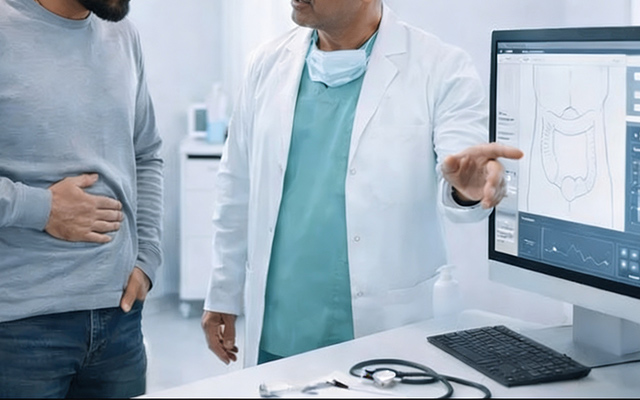
To determine the best course of action for each situation, a thorough consultation with a surgeon is necessary.
Preoperative Preparation
To ensure a safe procedure and smooth recovery, some preparation is required:
- Medical History Review: Includes past surgeries, allergies, and any chronic conditions.
- Blood Tests & Imaging: Ultrasound or CT scan to locate the hernia and evaluate the extent.
- Fasting: Typically required for 6–8 hours before surgery.
- Medication Management: Blood thinners may need to be paused.
During the first 24 to 48 hours following surgery, patients should also make arrangements for transport home and assistance.
The Surgical Procedure
Here’s a step-by-step overview of what to expect:
- Anesthesia: To keep the patient unconscious and pain-free, general anesthesia is utilized.
- Access & Incision: The abdomen is made of three or four tiny (5–10 mm) incisions.
- Insertion of the Laparoscope: To improve visibility, a camera and surgical instruments are placed, and carbon dioxide is pumped into the abdomen.
- Repairing a hernia involves pushing it back into position and covering the defect with a surgical mesh.
- Closure: After removing the instruments, surgical glue or sutures are used to seal the incisions.
Depending on complexity, the procedure typically takes 30 to 1 hour.
Recovery and Aftercare
Compared to open surgery, laparoscopic hernia surgery typically results in a quicker and more seamless recovery.
First Few Days
- Mild pain, bloating, or bruising is common.
- Patients are encouraged to walk and perform light movements to promote healing and prevent blood clots.
- A liquid or soft diet may be recommended for the first 24 hours.
Week 1
- Many patients can return to desk jobs or light duties.
- Avoid lifting anything heavier than 10 pounds.
Weeks 2–4
- Gradual return to regular routines.
- Gentle exercises can be resumed after doctor approval.
After One Month
- Full recovery is usually achieved.
- Strenuous activity and workouts can be resumed with caution.
For optimum healing, it is essential to adhere to the surgeon’s recommendations and show up for follow-up consultations.
Lifestyle Modifications to Prevent Hernia Recurrence
Following surgery, it’s critical to develop routines that lessen abdominal wall pressure:
- Maintain a healthy weight: Obesity increases hernia risk.
- Quit smoking: Smoking can impair tissue healing.
- Avoid heavy lifting: Especially in the first few months post-surgery.
- Eat high-fiber foods: To prevent constipation and reduce straining during bowel movements.
- Practice proper lifting techniques: Bend your knees and keep your back straight.
These procedures enhance general health and well-being in addition to lowering the chance of recurrence.
Why Choose Laparoscopic Hernia Surgery?
For the majority of hernia repairs, laparoscopic hernia surgery is a dependable, safe, and effective alternative when performed by a skilled physician. It is the preferred approach for both patients and doctors due to its shorter hospital stay, faster recovery, and decreased chance of problems.
Nevertheless, each person should make their own decision. To make sure the selected course of action fits your medical history, lifestyle, and preferences, go over all of your alternatives with your surgeon.
Conclusion
The treatment of hernias has been transformed by laparoscopic hernia surgery. With less discomfort, quicker recovery, less scars, and better long-term results, it provides a contemporary answer to a long-standing issue. Whether you’re suffering from an inguinal, umbilical, or recurring hernia, this minimally invasive technique may be the correct decision for you.
As always, the best outcomes come from prompt intervention and early consultation. Don’t hesitate to contact a skilled surgeon if you think you may have a hernia. Do so now to start living a healthier, hernia-free life.