
Understanding inguinal hernia becomes crucial when you notice groin discomfort along with swelling—this is often the early signal of an inguinal hernia.
It happens when a part of the intestine pushes through a weak abdominal wall, especially during coughing, lifting, or prolonged standing.
The discomfort may seem minor at first, but it usually worsens with time and strain.
Timely evaluation and options such as laparoscopic hernia surgery help prevent complications and ensure a faster recovery.
So, let’s dive in.
Quick Overview: What an Inguinal Hernia is
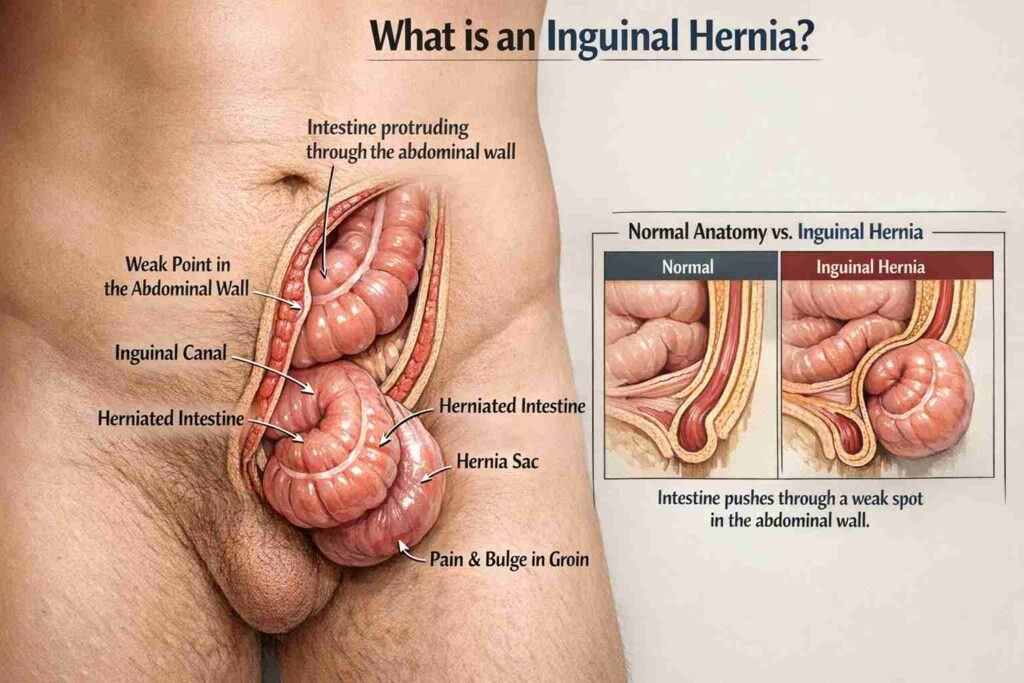
An inguinal hernia happens when internal tissue pushes through a weak area in the abdominal wall, creating a groin bulge that becomes visible during standing, coughing, or lifting.
Think of the abdominal wall like a worn patch of fabric. Pressure from within pushes outward, forming a visible swelling.
The “weak spot + pressure” idea
Natural weak zones exist in everyone’s groin. Add daily pressure from lifting water buckets, coughing, constipation, or weight gain, and that weak area slowly stretches. You don’t feel the damage as it happens.
What you notice later is a small soft bulge near the groin that appears after activity and becomes clearer when standing or coughing. Visible inguinal hernia symptoms, such as groin swelling, are your early warning signs. That is the moment to stop ignoring it and get examined before the weakness worsens.
Why does a bulge come and go (standing vs lying down)
A groin lump that disappears when lying down is a classic sign of a reducible hernia. When you stand, gravity and abdominal pressure push tissue outward, making the bulge visible.
Lying down reduces that pressure, allowing the lump to slip back inside. If it stops reducing or becomes painful, it may indicate worsening and needs prompt medical evaluation.
| Situation | What you may notice | What you should do |
| Standing long time | Bulge increases | Support area, avoid strain |
| Lying down | Bulge shrinks | Schedule a medical check |
| Coughing/lifting | Sharp pull | Stop heavy activity |
Common symptoms: what people actually notice
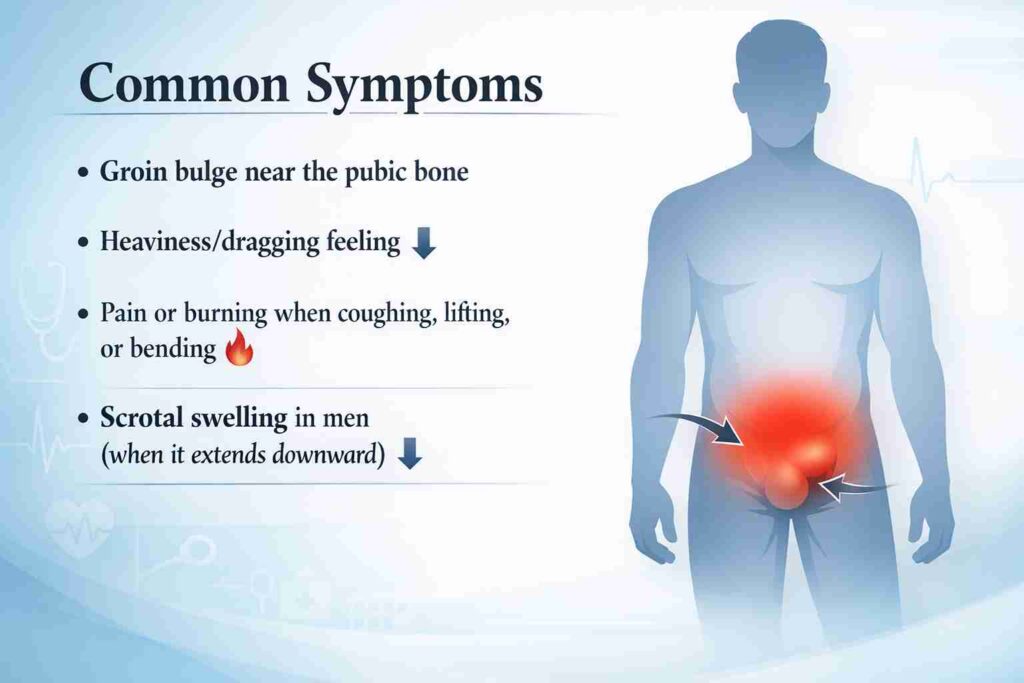
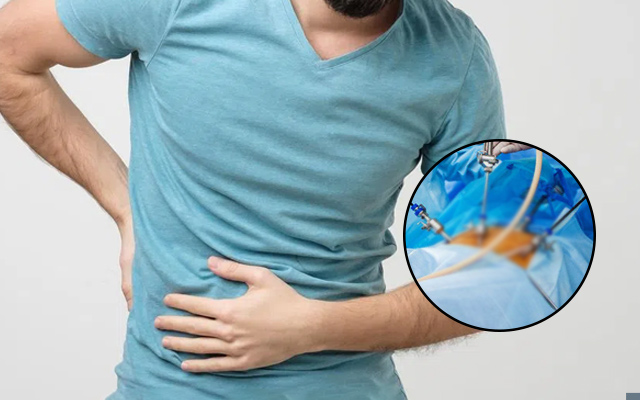
Most people notice visible groin swelling, dragging discomfort, or pain while coughing or lifting, sometimes with scrotal enlargement in men. Symptoms rarely arrive dramatically. They creep in during daily chores.
Groin bulge near the pubic bone
A groin bulge near the pubic bone is often a sign of an inguinal hernia, where internal tissue pushes through a weak spot in the lower abdominal wall. It may appear more prominent while standing, coughing, or straining. The swelling can be painless initially but may become uncomfortable or heavy over time.
Heaviness/dragging feeling
A persistent heaviness or dragging feeling in the groin can signal an early inguinal hernia, even before a bulge appears. It often worsens after standing, walking, or lifting. This happens due to pressure on a weakened abdominal wall.
Pain or burning when coughing, lifting, or bending
Inguinal hernia pain when coughing or lifting indicates pressure on the weak area, another early sign of a groin hernia.
Strain increases abdominal pressure, pushing tissue through a weak spot and triggering pain or a burning sensation. The discomfort may come and go, but it typically worsens with activity.
Scrotal swelling in men (when it extends downward)
Inguinal hernia in men’s scrotum swelling occurs when the hernia extends downward from the groin into the scrotum. This happens as abdominal tissue pushes through a weak spot and follows the natural passage. The swelling often increases with standing or straining and reduces when lying down.
Red flags: when a hernia becomes urgent
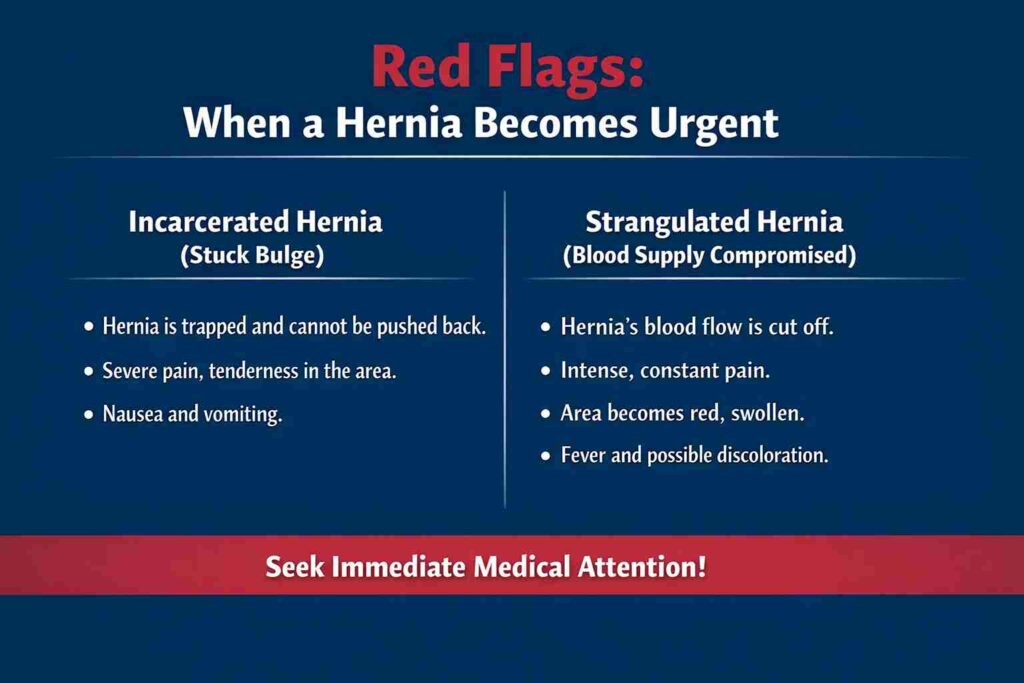
Red flags appear when a hernia becomes trapped or its blood supply is compromised. Watch for severe, constant pain, a hard or non-reducible bulge, redness, or sudden swelling. Nausea, vomiting, or fever, along with the bulge, are danger signs. These symptoms need urgent medical attention to prevent serious complications.
Incarcerated hernia (stuck bulge): what it looks like
An incarcerated hernia appears as a bulge that is firm, painful, and cannot be pushed back in. It often stays visible even when lying down and may feel tender to the touch. The area can become swollen and uncomfortable with movement.
Strangulated hernia (blood supply compromised): danger signs
For anyone wondering “Is an inguinal hernia dangerous and its strangulation symptoms”, watch for sudden severe groin pain, a hard red or dark swelling, nausea or vomiting, and fever. These signs signal a surgical emergency.
These signs indicate that the trapped tissue is losing its blood supply and requires emergency surgery.
What to do immediately (don’t “sleep it off”)
Go to emergency care immediately. Delay can lead to bowel damage.
Dr Ashutosh Nayak, a specialist in laparoscopic hernia surgery in Kolkata, emphasises that timing is crucial for the survival of trapped tissue.
Why do inguinal hernias happen
Inguinal hernias occur when natural muscle weakness combines with repeated internal pressure from lifting, coughing, straining, or excess weight.
Muscle weakness (birth/ageing) + pressure triggers
Some people are born with thinner tissue. Others develop weakness with ageing. You cannot reverse that weakness with exercise alone.
Risk factors: heavy lifting, chronic cough, constipation/straining, obesity
| Risk factor | Daily sign | Immediate fix |
| Heavy lifting | Carrying heavy loads | Lift with legs, avoid jerks |
| Constipation/straining | Forcing bowel movements | Fibre diet + more water |
| Chronic cough | Persistent cough | Seek treatment early |
| Obesity | Excess body weight | Gradual weight loss |
Types of inguinal hernia
There are two main types, indirect and direct, based on how the tissue pushes through the muscle, not something you need anatomy training to understand.
Indirect vs direct (what that means)
- Indirect hernias follow a natural pathway present since birth.
- Direct hernias push through a weakened wall later in life.
Inguinal vs femoral hernia: the key differences (and why it matters)
Inguinal hernias occur higher in the groin and are more common. Femoral hernias sit lower, have a narrower opening, and carry a higher risk of dangerous trapping compared to inguinal hernias.
Location of the lump
The inguinal hernia vs femoral hernia difference mostly comes down to position. If you are unsure, never self-diagnose. A quick exam from a specialist clarifies it.
Why are femoral hernias riskier for “pinching”
Femoral hernias are prone to “pinching” because they pass through a tight, rigid canal that can easily trap tissue. This increases the risk of the blood supply being cut off, making them more dangerous even when small.
How doctors confirm it (and what tests you may need)
Most hernias are diagnosed by physical examination, with ultrasound or other imaging used only if the physical exam is unclear.
Physical exam: cough/strain check
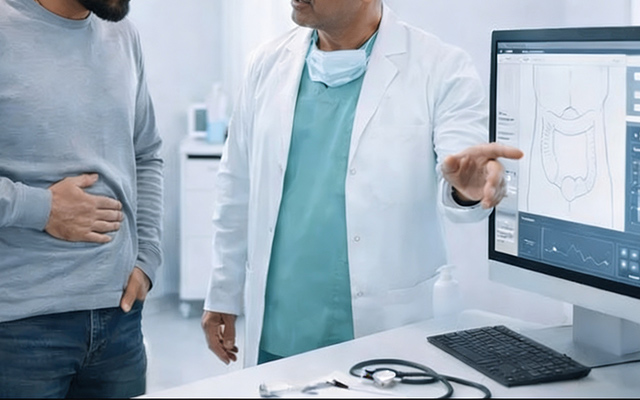
To clarify on ‘how to know if I have an inguinal hernia’ doctors often detect an inguinal hernia through a simple physical exam by asking you to cough, strain, or stand. These actions increase abdominal pressure, making any hidden bulge more visible and easier to feel.
What Else?
| Ultrasound | Small or hidden hernias | Detects bulges not obvious on exam |
| CT / MRI | Unclear or complex cases | Clarifies anatomy when the standard exam is limited |
Do all inguinal hernias need surgery?
Not all inguinal hernias need immediate surgery, especially if they are small and symptom-free. However, they don’t heal on their own and can worsen over time. Surgery is usually advised when there is pain, growth, or risk of complications.
Watchful waiting: when it may be reasonable
Watchful waiting can be appropriate when there is no pain or growth. Your doctor monitors the condition, and any change should be reported immediately.
When surgery is strongly recommended (symptoms, growth, complications)
Surgery is strongly advised when symptoms appear, the hernia grows, or the risk of complications increases. Pain, enlargement, or daily discomfort signal that repair is the safer, more predictable option. Modern inguinal hernia treatment in Kolkata is highly refined and predictable.
Treatment options: what actually fixes it
Only surgery permanently repairs a hernia. Lifestyle changes reduce strain but cannot close the defect.
Lifestyle/temporary measures
- Avoid heavy lifting
- Support the groin while coughing
- Treat constipation
Truss/belt
Provides short-term support. It does not cure the hernia and may mask worsening symptoms.
| Method | Benefit | Limitation |
| Lifestyle | Less strain | Temporary |
| Truss | Support | Delays care |
| Surgery | Cure | Recovery needed |
Surgery choices: open vs laparoscopic repair (simple comparison)
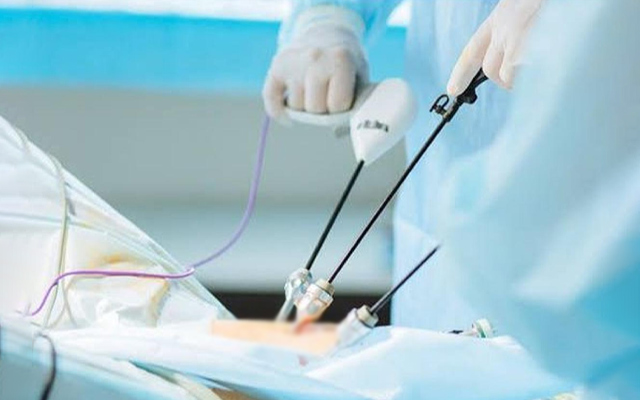
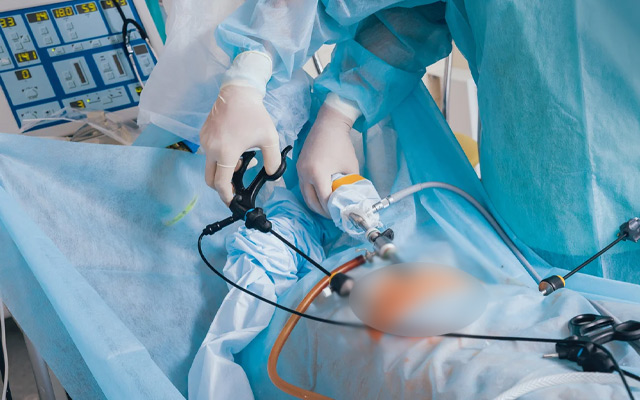
Inguinal hernia repair is done either by open surgery or laparoscopic (keyhole) surgery. Open uses one incision, while laparoscopic uses small cuts with a camera. Laparoscopic surgery usually offers less pain and quicker recovery.
The choice depends on the case and the surgeon’s recommendation.
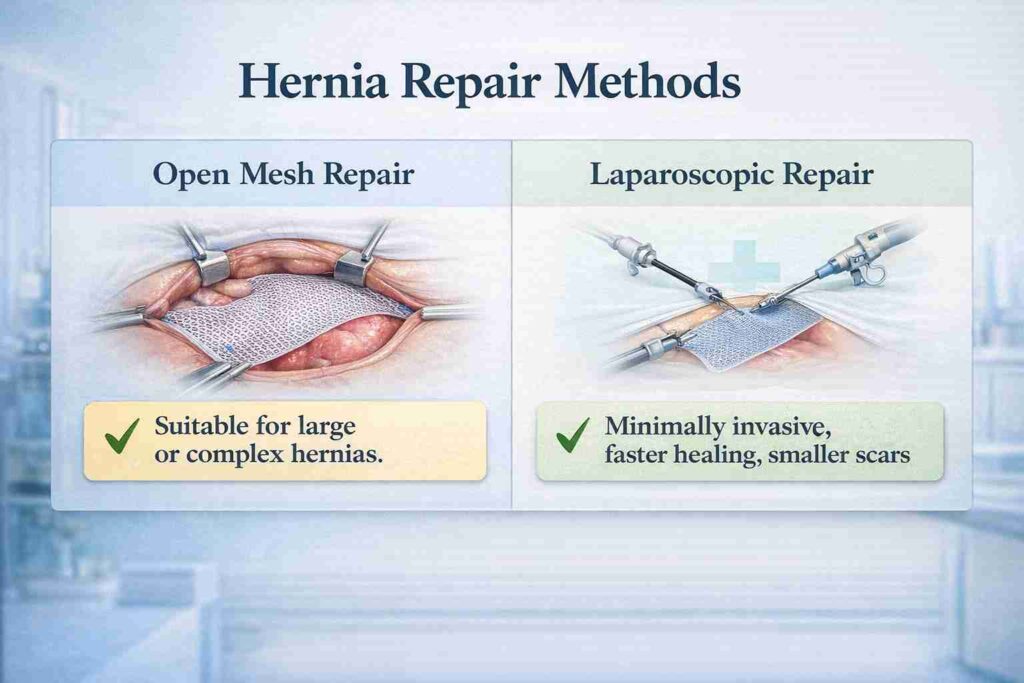
Many choose laparoscopic hernia surgery in Kolkata from Dr Ashutosh Nayak for a quicker return to routine.
Recovery time, pain, recurrence
With experienced surgeons, outcomes are predictable. Modern-day laparoscopic hernia surgery maintains low recurrence rates.
What recovery looks like (day-by-day expectations)
Most patients walk the same day, return to desk work in about a week, and gradually resume heavier activity over several weeks.
Recovery after inguinal hernia surgery is usually smooth and gradual.
- Day 1–2: mild pain and limited movement; walking is encouraged.
- Day 3–7: discomfort reduces, light daily activities resume.
- Week 2 onward: most return to normal routine, avoiding heavy strain.
Hernia treatment in Kolkata (what to ask before you book)
Choose a centre with experienced surgeons, modern mesh, safe anaesthesia, and transparent cost discussion.
Choosing a centre
Expertise matters greatly in laparoscopic hernia surgery in Kolkata. Ask about the surgeon’s experience.
Questions patients should ask
- Open vs lap suitability
- Recurrence risk
- Activity timeline
To Recap: The “simple rule” to remember
Groin discomfort with swelling is often an early sign of an inguinal hernia, which occurs when tissue pushes through a weak abdominal wall. The bulge may appear during standing, coughing, or straining and disappear when lying down, but the condition does not heal on its own.
Symptoms can progress from mild heaviness to pain, with risks like incarceration or strangulation if ignored.
Do not normalise groin swelling. Early repair by Dr Ashutosh Nayak, offering laparoscopic hernia surgery, prevents the need for emergency surgery later.
People Also Ask
Can an inguinal hernia heal on its own?
No. It’s a permanent muscle defect that won’t close on its own. Surgery is the only fix.
Is it safe to exercise with a hernia?
Light walking is fine, but lifting and straining can worsen it. Get medical clearance first.
Why does the bulge disappear when lying down?
Less pressure allows the tissue to slip back, but the weakness persists.
How long can surgery be delayed?
Only if symptoms are minimal and monitored. Pain or growth means don’t wait.
What are strangulation symptoms?
Severe pain, hard lump, redness, vomiting, fever—this is an emergency.