Surgical mesh plays a central role in modern laparoscopic hernia repair by reinforcing weakened areas of the abdominal wall and improving long-term surgical outcomes. It supports healing through smaller incisions and enables a smoother recovery process.
Surgical mesh is a medical implant designed to strengthen weak tissue, reduce recurrence, and support minimally invasive hernia repair techniques.
Hernia treatment has evolved significantly, with mesh-based approaches now widely adopted for their reliability and durability. Understanding its function, application, and expected results helps patients make confident, informed decisions.
If you are considering laparoscopic hernia surgery in Salt Lake, Dr Ashutosh Nayak, knowing how mesh contributes to repair is essential before proceeding.
So, let’s break it down.
What is surgical mesh in laparoscopic hernia repair?
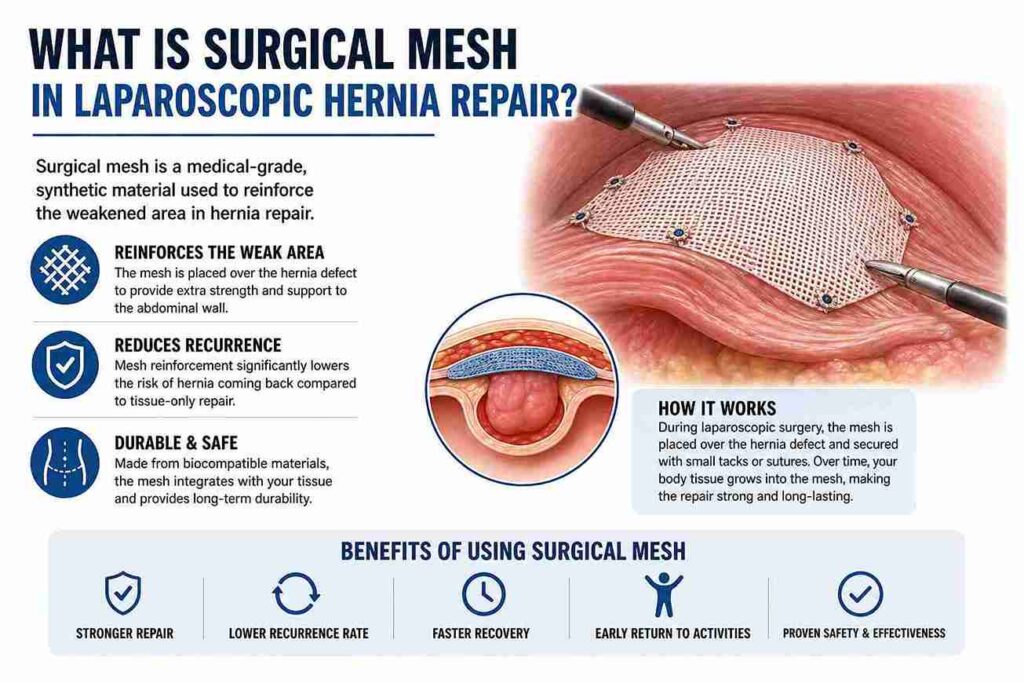
Surgical mesh is an implant placed during hernia surgery to reinforce weak tissue and provide long-term structural support.
What surgical mesh is made of
It is typically constructed from synthetic materials like polypropylene or biologic alternatives designed to integrate with the body. These materials are chosen for strength, flexibility, and compatibility.
How mesh strengthens the abdominal wall
It acts as a scaffold, covering the defect and allowing surrounding tissue to grow into it. This creates a more stable repair compared to stitching alone, improving long-term integrity.
Why is mesh commonly used in laparoscopic hernia surgery
In modern keyhole hernia procedures, mesh is preferred because it enhances durability without placing tension on surrounding tissue.
Why mesh plays a key role in repair
- Lowers the likelihood of recurrence
- Reinforces weak areas effectively
- Supports complex cases like bilateral or recurrent hernias
Clinical evidence shows that mesh-based repair offers significantly better long-term stability than traditional methods. [Source]
When do you need hernia surgery?
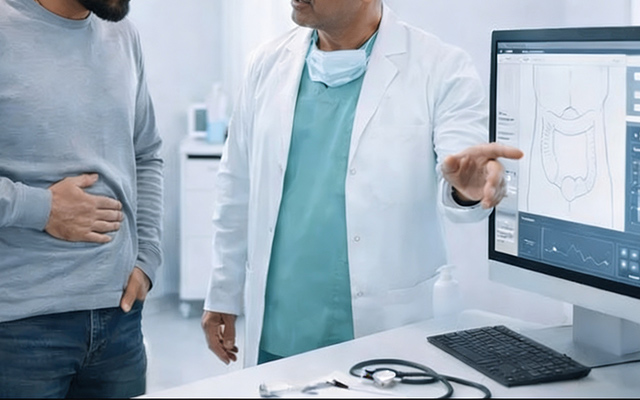
Recognising the right time for surgery is crucial to avoid complications and ensure easier recovery.
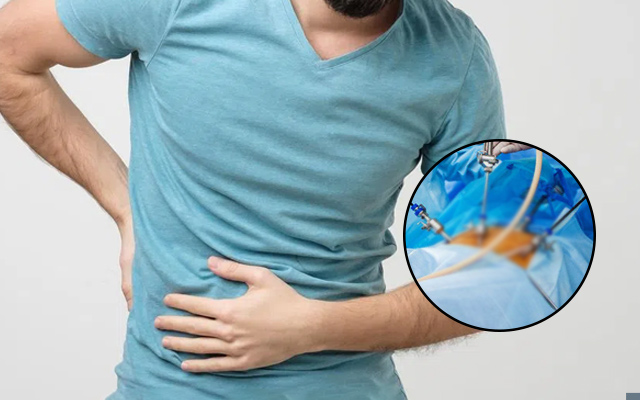
- Persistent pain or discomfort
- Increasing size of the hernia
- Difficulty performing daily activities
- Recurrent symptoms despite medication
Hernias do not heal on their own and tend to worsen over time if left untreated.
What happens if a hernia is left untreated?
Delaying treatment can gradually increase both risk and complexity.
- The hernia may enlarge over time
- Discomfort and functional limitations may increase
- Risk of obstruction or strangulation
- Surgery may become more complex later
Early treatment is often simpler, safer, and more effective than delayed intervention.
How surgical mesh is placed during laparoscopic hernia repair
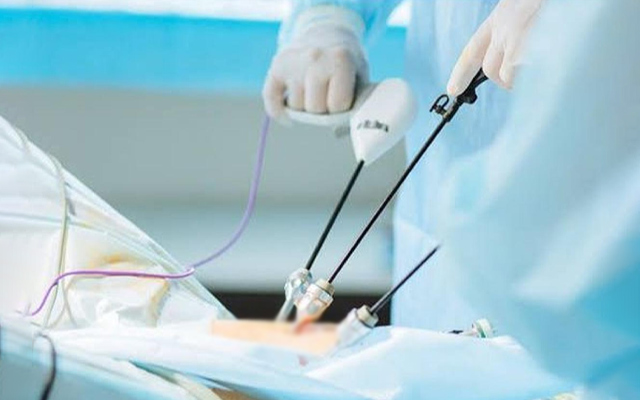
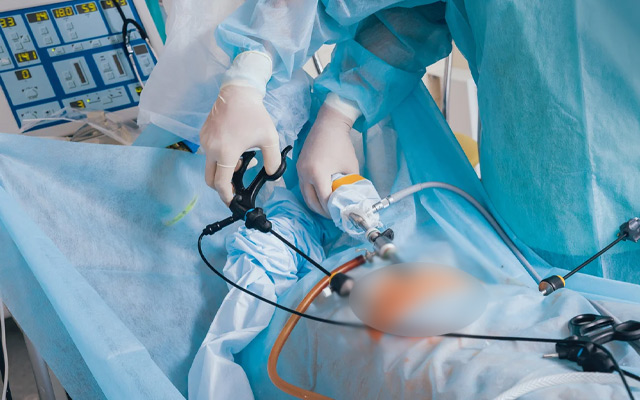
The implant is positioned using a camera-guided approach through small incisions, ensuring precision and minimal disruption to surrounding tissue.
Step-by-step overview
- Small incisions are created
- A laparoscope is introduced
- Hernia contents are repositioned
- The mesh is placed over the defect
This approach allows accurate placement while maintaining a minimally invasive technique.
Mesh placement techniques
- TEP (Totally Extraperitoneal)
- TAPP (Transabdominal Preperitoneal)
Both methods allow controlled and precise positioning.
Fixation of mesh
Depending on the case, the implant may be secured with sutures, tacks, or positioned without fixation.
Types of Surgical Mesh Used in Laparoscopic Hernia Repair
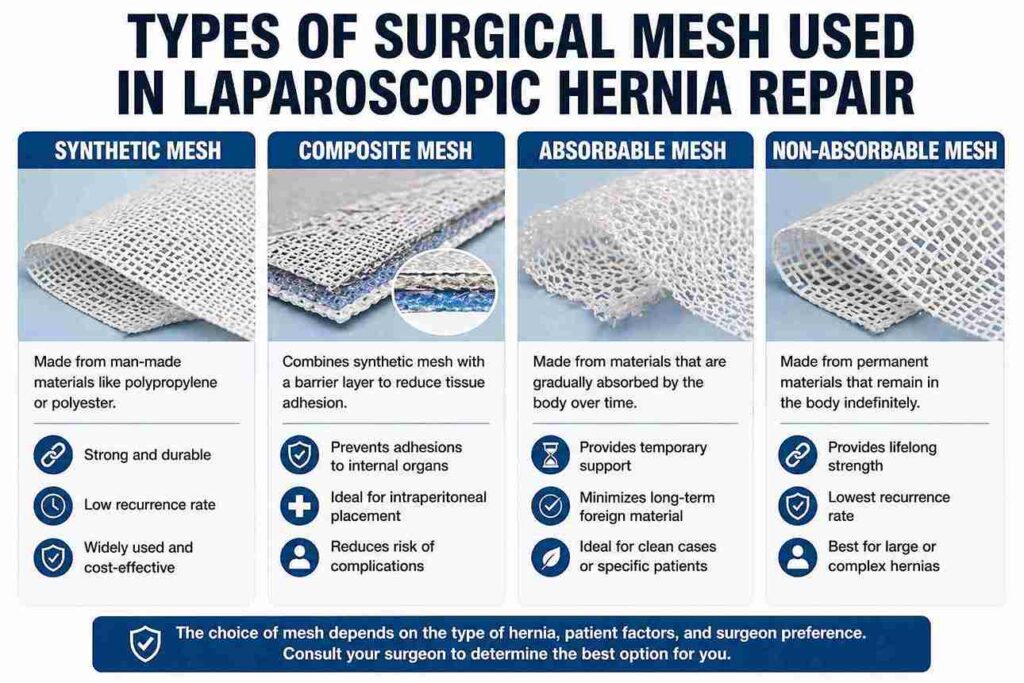
Mesh selection depends on material, coating, and absorption characteristics.
Synthetic mesh
Commonly chosen for strength and long-term reliability.
Composite mesh
Designed to reduce adhesion when placed near internal organs.
Absorbable vs non-absorbable
- Absorbable: gradually dissolves
- Non-absorbable: provides permanent reinforcement
Choosing the right type
Selection depends on hernia size, location, and patient-specific factors.
Benefits of mesh in laparoscopic hernia repair
Mesh-based repair enhances structural stability and improves recovery outcomes.
Many patients hesitate due to concerns about surgery, but modern techniques have made treatment safer and more predictable.
- Lower recurrence rates
- Shorter downtime
- Reduced discomfort in many cases
- Better outcomes in complex repairs
| Benefit | Explanation |
| Lower recurrence | Reinforces weak areas effectively |
| Faster recovery | Smaller incisions heal more quickly |
| Reduced discomfort | Less tension on the tissue |
| Improved support | Ideal for complex hernias |
Laparoscopic mesh repair is widely considered the preferred approach in most adult hernia cases.
Are there risks or complications related to surgical mesh?
Mesh is widely used and generally safe, though, as with any implant, certain risks may exist.
Possible complications
- Infection
- Pain
- Adhesion
- Recurrence
These risks are uncommon and are largely influenced by surgical expertise and patient factors.
Why Dr Ashutosh Nayak’s expertise matters
His proper planning, technique, and experience significantly reduce complications.
Mesh repair vs non-mesh repair: what is the difference?
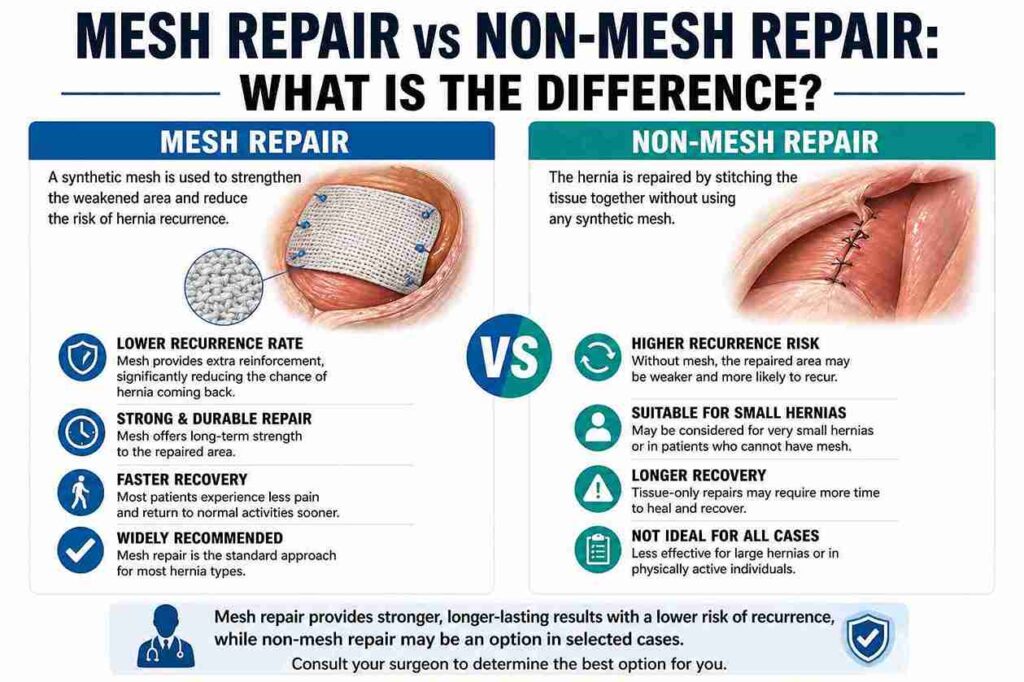
Mesh-based techniques offer greater durability compared to traditional tissue repair.
| Feature | Mesh Repair | Non-Mesh Repair |
| Strength | High | Moderate |
| Recurrence | Lower | Higher |
| Recovery | Faster | Slower |
For more clarity, consult Dr Ashutosh Nayak in Salt Lake, specialising in minimally invasive laparoscopic hernia surgery.
Is laparoscopic mesh repair better than open hernia surgery?
Minimally invasive repair offers advantages in recovery and comfort, though open surgery may still be suitable in certain cases.
| Factor | Laparoscopic Repair | Open Repair |
| Incisions | Small | Larger |
| Recovery | Faster | Slower |
| Pain | Less | More |
| Hospital stay | Shorter | Longer |
Cost of laparoscopic hernia mesh surgery in Kolkata
Costs can vary depending on hospital facilities, type of implant, and complexity of the case.
Key factors include:
- Type of hernia
- Mesh selection
- Surgical expertise
- Hospital infrastructure
Choosing experienced care from Dr Ashutosh Nayak often leads to better outcomes and fewer long-term issues.
Success rate of laparoscopic hernia mesh repair
This approach has a high success rate when performed correctly.
- Durable repair outcomes
- Faster return to normal activity
- High patient satisfaction
Laparoscopic hernia surgery performed by Dr Ashutosh Nayak in Salt Lake has significantly reduced recurrence rates.
How to prepare for laparoscopic hernia surgery
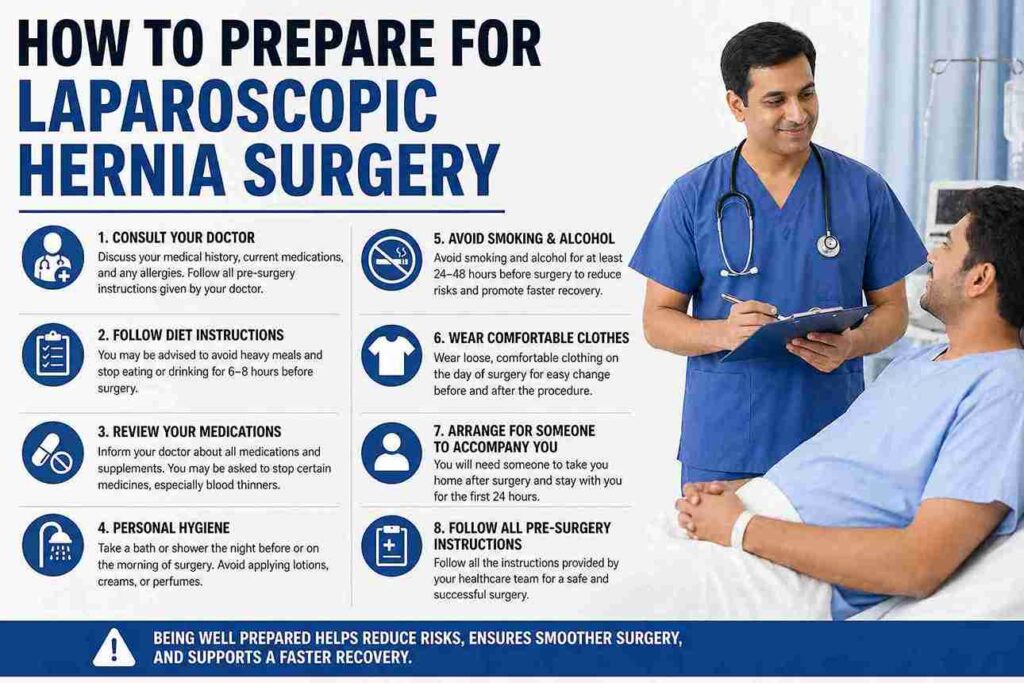
Proper preparation helps ensure a smoother procedure and recovery.
- Pre-surgical evaluation and tests
- Following fasting guidelines
- Adjusting medications if advised
- Planning post-surgery support
Choosing the right surgeon for hernia repair in Kolkata
Experience, precision, and patient guidance play a key role in successful outcomes.
Dr Ashutosh Nayak in Salt Lake focuses on minimally invasive hernia repair techniques with careful planning and appropriate mesh selection to ensure effective results.
Local and nearby patients increasingly prefer laparoscopic approaches from him due to quicker recovery and reduced downtime.
Recovery after laparoscopic hernia mesh surgery
Dr Ashutosh Nayak explains recovery is typically smooth and efficient.
- Discharge within 24 hours
- Early return to daily activity
- Gradual full recovery
Warning signs
- Persistent pain
- Fever
- Swelling
Life after laparoscopic hernia repair
Most patients return to normal life without long-term limitations.
- Gradual return to exercise
- Resumption of work and daily routines
- Maintaining core strength helps prevent recurrence
Common myths about hernia mesh
| Common Myth | Reality |
| “Surgical mesh is unsafe!” | Modern medical-grade mesh is extensively tested for safety, durability, and compatibility with the body. |
| “All mesh repairs lead to complications!” | Complications are uncommon and are often influenced by surgical expertise, patient factors, and post-operative care. |
| “Recovery after mesh surgery is very long!” | Most patients recover faster with laparoscopic repair due to smaller incisions and reduced tissue trauma. |
| “Hernias can heal without surgery!” | Hernias do not resolve naturally and may gradually enlarge or become more complicated over time. |
| “Open surgery is always the better option!” | Laparoscopic hernia repair often provides quicker recovery, less discomfort, and minimal scarring in suitable cases. |
Final Verdict
Surgical mesh has transformed hernia repair by improving durability, reducing recurrence, and enabling minimally invasive treatment.
Hernias do not resolve on their own. Delaying treatment can increase complexity and recovery time.
Early evaluation and the right surgical approach ensure better outcomes and long-term relief.
If you are experiencing persistent discomfort or swelling, a timely consultation can prevent complications and simplify treatment.
Discuss the most effective, minimally invasive laparoscopic hernia surgery for your condition with Dr Ashutosh Nayak in Salt Lake.
With 20K+ surgeries performed, 10+ years in practice, and 50K+ satisfied patients in Kolkata—this is not a claim of expertise, it’s a track record that speaks for itself through consistent results.
Don’t delay anymore. Book a consultation today.
People Also Ask
Can surgical mesh shrink inside the body over time?
Some degree of mesh contraction may occur naturally as tissue heals around the implant. Modern mesh designs are engineered to maintain long-term structural stability after repair.
Why are lightweight meshes used in some hernia surgeries?
Lightweight meshes are designed to improve flexibility and reduce excess foreign material inside the body. They may help improve comfort while still reinforcing the abdominal wall effectively.
Can diabetes affect healing after laparoscopic hernia repair?
Poorly controlled diabetes may slow tissue healing and increase infection risk after surgery. Proper blood sugar management before and after the procedure supports smoother recovery.
Is laparoscopic hernia repair suitable for people with physically demanding jobs?
Many working professionals prefer minimally invasive repair because it may allow an earlier return to routine movement. Recovery recommendations still depend on the intensity of physical activity involved.
Can coughing worsen a hernia before surgery?
Frequent coughing increases abdominal pressure, which may aggravate hernia symptoms over time. Chronic strain can sometimes contribute to enlargement of the defect.
Do all hernias require the same type of surgical mesh?
Different hernia locations and defect sizes often require different mesh characteristics. Surgeons customise the repair approach based on individual surgical findings.
Can previous abdominal surgery affect laparoscopic hernia repair?
Earlier abdominal operations may influence surgical planning due to internal scar tissue or adhesions. Experienced surgeons evaluate this carefully before choosing the repair technique.
Does laparoscopic hernia surgery leave visible scars?
The procedure is performed through very small incisions that usually heal with minimal visible scarring. Cosmetic outcomes are often better compared to traditional open surgery.
Can hernias affect digestion or bowel movement?
Certain abdominal hernias may create pressure or discomfort that affects bowel function in some patients. Severe cases can occasionally lead to obstruction-related symptoms.
Why do some hernias develop again years later?
Factors such as tissue weakness, heavy strain, chronic pressure, or lifestyle habits may contribute to future hernia formation. Long-term abdominal wall health plays an important role in durability.