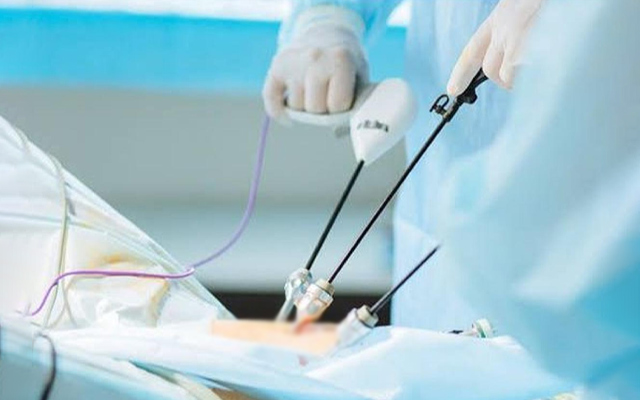
Many people discover gallstones completely by accident.
An ultrasound done for acidity, bloating, fatty liver, or a routine health check suddenly shows stones inside the gallbladder.
The surprising part is that most individuals have no severe symptoms at all. No intense pain. Or vomiting, or any medical emergency.
That naturally raises an important question: Why would a doctor even mention surgery if the stones are not causing obvious trouble?
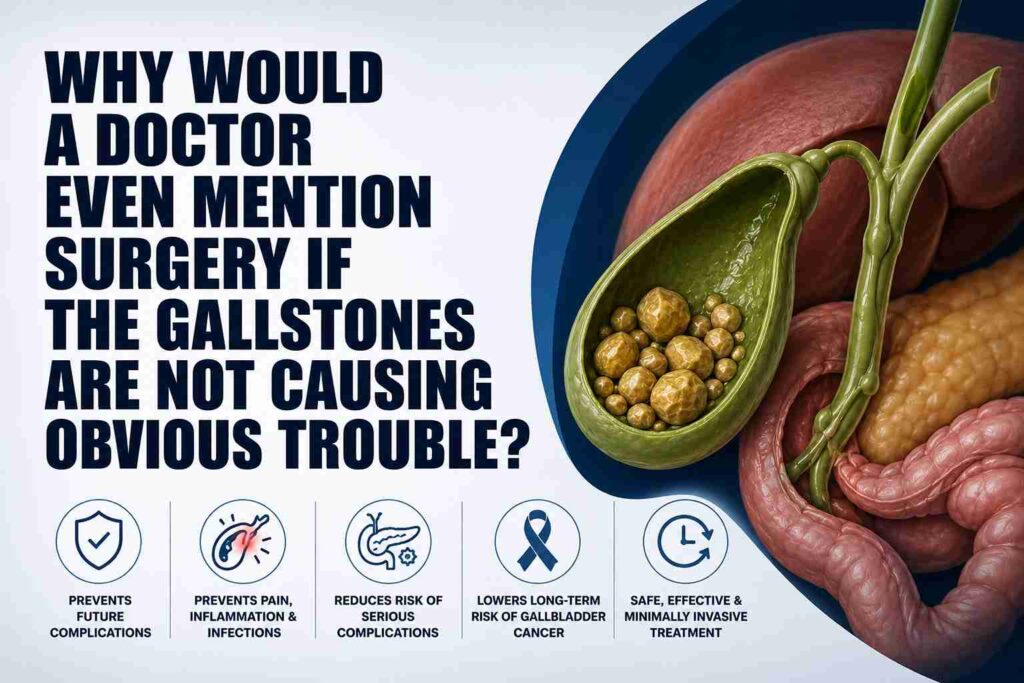
The answer is not based only on whether pain exists today. Doctors also look at:
- The type and size of stones
- Ultrasound findings
- Chances of future blockage
- Digestive symptoms people may overlook
- Overall health conditions
- The possibility of emergency complications later
In some situations, planned treatment with experts like Dr Ashutosh Nayak, specialising in minimally invasive laparoscopic gallbladder surgery, may actually be safer than waiting for a sudden attack to develop unexpectedly.
Many silent gallstones remain harmless for years and only need monitoring. The difficult part is identifying which individuals are likely to stay stable and which may eventually face complications.
Many People With Silent Gallstones Never Need Immediate Treatment
Doctors refer to these as asymptomatic gallstones.
A large number of people live for years without inflammation, severe discomfort, or digestive crises. Some never realise they have stones unless imaging detects them during another medical evaluation.
That is why surgeons often recommend observation instead of immediate intervention.
What Monitoring Usually Includes
Monitoring may involve:
- Periodic ultrasounds
- Watching for new symptoms
- Dietary adjustments
- Follow-up consultations if changes appear later
Why Immediate Surgery Is Not Always Necessary
Even though modern laparoscopic removal is minimally invasive, it still involves:
- Anesthesia
- Recovery time
- Postoperative healing
If future complications appear unlikely, immediate treatment may not offer meaningful benefit.
Good gallbladder care is not based on a simplistic rule that every detected stone automatically requires surgery.
“But I Only Feel Gas, Bloating, or Acidity…”
This is where gallbladder disease becomes confusing for many people.
Many individuals continue their normal daily life for years without realising their digestive discomfort may be connected to the gallbladder.
Symptoms People Commonly Ignore
People often describe symptoms such as:
- Heaviness after meals
- Bloating
- Acidity
- Nausea after oily food
- Mild upper abdominal discomfort
- recurring “gas problems”
Why These Symptoms Are Easy To Dismiss
Gallbladder problems do not always begin with dramatic pain attacks.
In some individuals, the body first produces subtle digestive changes that are easy to dismiss as routine stomach issues. That is why surgeons do not rely only on severe pain while evaluating asymptomatic stones.
Why Some “Silent” Gallstones Still Concern Surgeons
The absence of pain does not always mean the gallbladder is completely problem-free.
Certain stones carry a higher risk of moving into the narrow bile ducts later. When that happens, complications can develop rapidly, including:
- Gallbladder inflammation
- Bile duct obstruction
- Jaundice
- Infection
- Gallstone pancreatitis
When Complications Often Appear Unexpectedly
These episodes frequently occur:
- After heavy meals
- During travel
- Late at night
- During an unrelated illness
Among these complications, pancreatitis receives particularly serious attention because severe cases may require intensive hospital care.
Why Preventive Treatment Is Sometimes Discussed
This is why surgeons sometimes discuss preventive treatment before a major emergency develops.
The goal is not a fear-based intervention. The goal is to reduce the chances of a future crisis in selected higher-risk individuals.
What Doctors Actually Check On An Ultrasound Report
Imaging findings often matter more than symptoms alone. An ultrasound provides much more information than simply confirming whether stones exist.
Doctors carefully evaluate:
- Stone size
- Number of stones
- Gallbladder wall thickness
- Bile duct appearance
- Surrounding inflammation
- Associated polyps
- Calcification changes
Why Certain Ultrasound Findings Matter
| Ultrasound Finding | Why It Matters |
| Large gallstones | May increase long-term complication concern |
| Multiple tiny stones | More likely to migrate into bile ducts |
| Thickened gallbladder wall | Can indicate chronic inflammation |
| Gallbladder polyps | May need closer monitoring |
| Porcelain gallbladder | Associated with higher surgical concern |
| Bile duct changes | May suggest developing obstruction |
Why Smaller Stones Can Sometimes Be More Dangerous
One detail surprises many patients: Smaller stones can sometimes create more serious emergencies than larger ones.
Large stones often remain inside the gallbladder. Tiny stones, however, may travel into narrow ducts more easily, where even small blockages can trigger inflammation or pancreatitis.
That is why doctors assess the entire clinical picture rather than focusing on one isolated finding.
Why Two Patients With Similar Gallstones May Receive Completely Different Advice
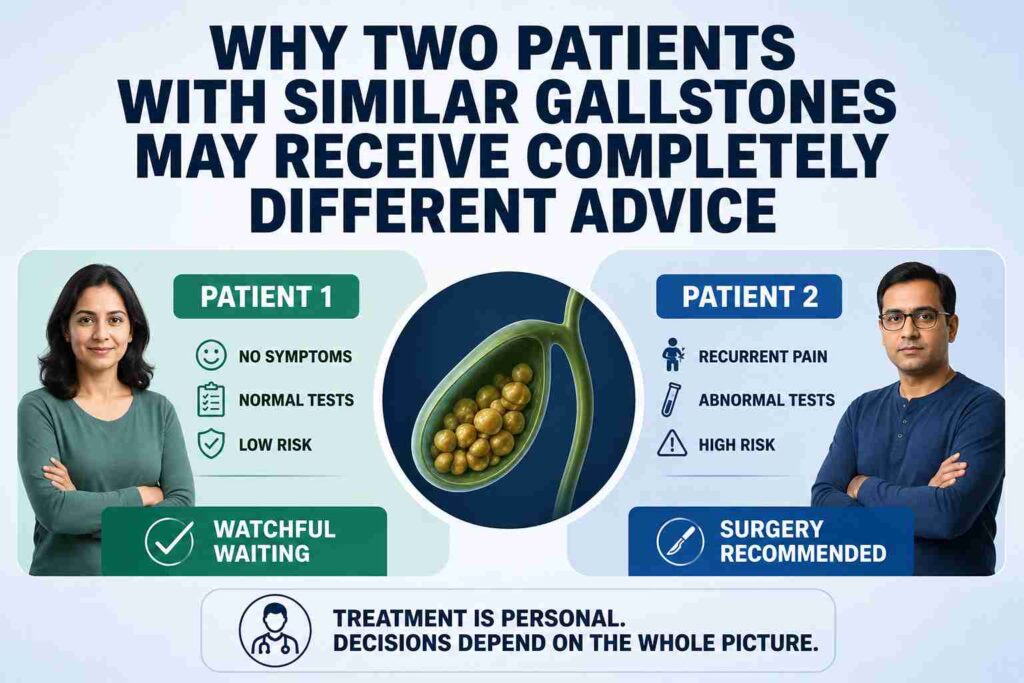
Two people may both have gallstones discovered incidentally on ultrasound yet receive entirely different recommendations.
Example Of Different Treatment Approaches
- A younger patient with one stable stone and no symptoms may only need periodic observation
- An older diabetic patient with multiple stones, digestive discomfort, and inflammatory changes may be advised to consider earlier laparoscopic treatment
Factors Doctors Evaluate Together
Doctors evaluate several factors together:
- Diabetes
- Obesity
- Immune suppression
- Age
- Previous abdominal symptoms
- Overall surgical fitness
- Access to emergency medical care
The decision is rarely based on stones alone. It depends on how those findings interact with the patient’s overall health profile and future risk.
When Preventive Gallbladder Surgery Becomes a Reasonable Option
Most silent gallstones do not require automatic removal. However, preventive intervention may become medically reasonable in situations involving:
- Very large stones
- Recurrent digestive symptoms
- Porcelain gallbladder
- Suspicious gallbladder polyps
- Repeated inflammation
- Bariatric surgery preparation
- Transplant candidates
- Selected diabetic patients
Why Waiting Is Not Always Safer
In these situations, the concern is not simply the presence of stones. The concern is whether continuing to wait may eventually create a more difficult medical situation later.
For selected patients considering laparoscopic gallbladder surgery in Kolkata, planned treatment may help avoid emergency complications while care is still being performed under stable conditions.
Why Planned Laparoscopic Surgery Is Usually Easier Than Emergency Surgery
Modern laparoscopic gallbladder surgery is very different from the large-incision procedures many patients still imagine.
Today, most gallbladder removals are performed using small incisions and camera-guided minimally invasive techniques.
Common Advantages Of Planned Laparoscopic Surgery
The advantages often include:
- Smaller cuts
- Less postoperative pain
- Shorter hospital stay
- Faster healing
- Quicker return to normal activities
Why Timing Can Affect Surgical Complexity
Elective treatment also allows doctors to operate before severe inflammation, infection, or obstruction makes the procedure technically more challenging.
This is one reason specialists sometimes recommend earlier intervention in carefully selected individuals rather than waiting for a crisis situation.
What Recovery Usually Looks Like After Gallbladder Removal
Recovery after laparoscopic treatment is usually quicker than many patients expect.
What Most Patients Commonly Experience
- Begin walking within hours
- Return home after a short hospital stay
- Gradually resume normal eating
- Restart routine activities within days
Temporary Digestive Changes After Surgery
Some individuals notice temporary bloating or mild digestive adjustments initially, especially after oily meals. In most cases, the body adapts well over time without the gallbladder.
Recovery is also generally smoother when treatment is performed electively rather than during active inflammation or emergency hospitalization.
How Doctors Decide Between Monitoring and Surgery
The final decision usually comes down to balancing present stability against future risk.
Situations Where Observation May Be Preferred
| Observation May Be Preferred When | Surgery May Be Considered When |
| Stones appear stable | Stones seem higher-risk |
| No inflammation exists | Gallbladder changes appear |
| Symptoms are absent | Digestive symptoms evolve |
| Monitoring remains practical | Emergency risk increases |
| Imaging stays unchanged | Suspicious findings develop |
Why Regular Follow-Up Still Matters
A patient who only needs monitoring today may still require treatment later if symptoms or imaging findings change over time.
The Goal Is Not Early Surgery For Everyone — It Is Knowing Which Gallstones Are Likely To Stay Harmless
Most silent gallstones never turn into a serious problem. But some slowly shift from “safe to monitor” to “risky to ignore” through:
- Hanging scans
- Repeated digestive discomfort
- Inflammation
- Stone movement into the bile duct
Experience Matters In Borderline Cases
Dr Ashutosh Nayak, at his Salt Lake practice, focuses on identifying individuals who are still suitable for observation and those more likely to face future gallbladder attacks or emergency complications.
He regularly performs advanced laparoscopic gallbladder surgery for Kolkata patients who may benefit more from planned treatment than delayed emergency care.
Call 084207 97171 now to schedule an appointment today.
People Also Ask
Can stress make gallstone symptoms feel worse?
Stress itself does not create gallstones, but stress-related digestive changes may intensify nausea, stomach discomfort, bloating, or meal intolerance in some people who already have gallbladder disease.
Why are gallstones more common in women?
Hormonal influences, especially estrogen-related changes, can increase cholesterol concentration in bile. Pregnancy, hormonal medications, and metabolic factors may also raise gallstone risk in women.
Can dehydration affect gallstone formation?
Poor hydration may contribute indirectly by affecting bile concentration and digestion. Maintaining adequate fluid intake supports healthier bile movement within the digestive system.
Are gallstones linked with fatty liver disease?
Yes. Gallstones and fatty liver frequently appear together because both conditions are associated with obesity, insulin resistance, metabolic syndrome, and dietary factors.
Can long fasting hours increase gallstone risk?
Extended fasting or irregular eating patterns may reduce normal gallbladder emptying. Over time, stagnant bile can increase the chances of stone formation in some individuals.
Do all gallstones show up clearly on ultrasound?
Most gallstones are detected well on ultrasound, but very tiny stones, bile sludge, or stones inside deeper bile ducts may sometimes require additional imaging tests for clearer evaluation.
Can children or younger adults develop gallstones too?
Yes. Although gallstones are more common in middle-aged adults, younger individuals can also develop them due to obesity, genetics, rapid weight loss, blood disorders, or dietary factors.